FROM EDITOR

PHARMACOEPIDEMIOLOGY
Glucagon-like peptide-1 agonists (aGPP-1) are used in the treatment of type 2 diabetes mellitus (DM2) and obesity.
Objective. To evaluate the dynamics of aGPP-1 consumption in the Russian Federation (RF) in the period from the moment of registration of the first aGPP-1 in 2010 to the present.
Materials and methods. Information about liraglutide, exenatide, lixisenatide, dulaglutide, semaglutide and tirzepatide sales in the period 2010–2025 in RF has been downloaded from the IQVIA database. For each of the years of observation, the consumption indicator “number of DDD per 1000 inhabitants per day” was calculated, the dynamics of consumption in each of the market segments (retail, hospital segment, preferential medical treatment) and consumption in regions of the Russian Federation were estimated.
Results. An analysis of the consumption of aGPP-1 in the RF showed that over the past 15 years, their use has increased 733 times — from 0.006 in 2010 to 4.4 DDDs per 1,000 inhabitants per day in 2025. The increase was mainly due to the consumption of semaglutide. So, in 2020, 628.1 thousand DDDs were used, up to 2025 — already 207 million DDDs (an increase of 329 times). In 2025 a double-acting drug, tirzepatide, appeared on the RF market, the consumption of which amounted to 24.5 million DDDs per year. In all the years of observation, with the exception of 2023, retail sales dominated. An analysis of regional consumption patterns (sales for 2025 were analyzed) revealed that the sales level ranged from 0.18 DDDs in the Altai Republic to 10.71 DDDs per 1,000 inhabitants per day in St. Petersburg. Overall, the top 5 regions with the highest consumption of aGPP-1 are St. Petersburg (10.71), Moscow (9.3), Moscow Region (7.42), Yamalo-Nenets Autonomous Okrug (7.35), Magadan Region (7.08 DDDs per 1,000 inhabitants per day). At the same time, retail sales dominated for all regions, with the preferential medical treatment segment accounting for 17, 11, 5, 25, and 20 %, respectively.
Conclusions. The expansion of the practice of using glucagon-like peptide-1 agonists, including at the expense of the healthcare system, can help reduce the global burden of disease and the socio-economic burden of T2DM and obesity in RF.
DRUG SAFETY
Background. Gastrointestinal tract damage is one of the most common complications when taking medications orally.
Objective. To draw the attention of clinicians to drug-induced gastrointestinal lesions, emphasizing their often dangerous and even fatal nature, and to demonstrate the multifactorial nature and conditions of their development.
Methods. An analysis of published data on drug-induced lesions of all parts of the gastrointestinal tract — from the oral cavity to the large intestine, as well as the pancreas and liver — was conducted. Sources included original articles, systematic reviews, clinical guidelines, and individual case reports, mostly from the last 20 years.
Results. The most common and dangerous causes of drug-induced gastrointestinal lesions are nonsteroidal anti-inflammatory drugs and glucocorticoids, which cause erosive and ulcerative changes, bleeding, and perforation. Broad-spectrum antibiotics are associated with candidiasis and pseudomembranous colitis. Lesions of the esophagus (“pill esophagitis”), small and large intestines, as well as drug-induced pancreatitis and hepatitis, are described. Particular attention is paid to risk factors (elderly age, genetic characteristics of drug metabolism, combination therapy) and diagnostic difficulties.
Conclusion. Drug-induced gastrointestinal lesions occupy a leading position among adverse drug reactions. Timely recognition requires consideration of their multifactorial nature, nonspecifi c clinical presentation, and possible delayed onset.
PHARMACOVILIGANCE
Relevance. By the end of the 1990s, the pharmacovigilance system had transformed from a reactive model to proactive risk management of medicines throughout their life cycle. However, issues of standardising the evaluation of risk minimisation measures and adapting international approaches to national regulatory systems remain debatable.
Objective. To describe current international trends in the implementation of pharmacotherapy risk management strategies in the context of regulatory science and regulatory decision-making.
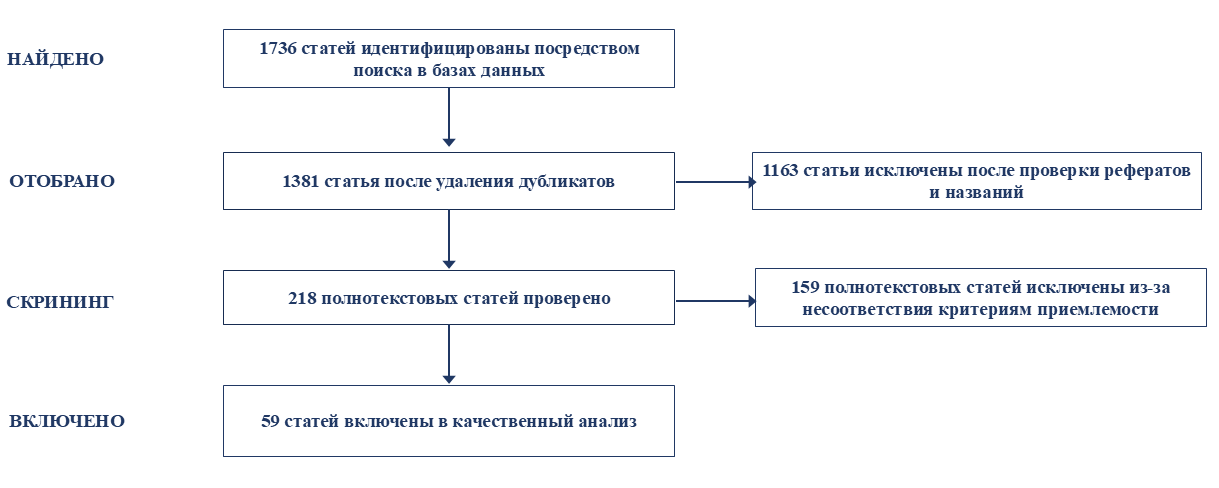
Material and methods. We analysed publications on risk minimisation programmes for medicinal products published between 2008 and 2024. The search was conducted in MEDLINE/PubMed and Google Scholar using the following keywords: risk management, pharmacovigilance, drug safety, risk assessment, risk minimization measures, safety communications. Full-text original articles, reviews and systematic reviews in English were selected. Duplicates, posters and conference abstracts were excluded. The final review included 59 sources.
Results. The key tools for proactive risk management are Risk Evaluation and Mitigation Strategies (REMS) in the United States and EU Risk Management Plans (EU-RMPs) with additional risk minimisation measures (aRMM) in the European Union. Analysis of FDA, EMA, ICH and CIOMS guidance documents revealed an evolution from voluntary RiskMAPs (2005) to legally binding REMS (since 2007) and the modular GVP system in the EU (since 2012). Assessing the eff ectiveness of risk minimisation measures is becoming an actively developing area of regulatory science; however, standardisation of reporting (e. g., the RIMES checklist) and methodological rigour remain insuffi cient.
Conclusion. The current risk management paradigm is critical for drug approval and safe use. Without improved reporting transparency and harmonisation, opportunities to generate evidence from past risk minimisation eff orts remain limited. Further interdisciplinary collaboration is needed to improve evaluation methods and develop novel risk minimisation tools, taking into account personalised medicine and digital technologies.
Background. Dozens of drugs enter the pharmaceutical market annually; their complete safety profi le, however, is established not during pre-registration clinical trials but through years of post-marketing surveillance of heterogeneous patient cohorts. Pharmacovigilance provides continuous «benefit/risk» ratio monitoring throughout the full lifecycle of a medicinal product; yet the volume of incoming safety data continues to grow, generating an analytical burden that traditional methods address only partially. Under these conditions, artificial intelligence (AI), machine learning, and natural language processing methods are being considered as scalable instruments for pharmacovigilance data analysis.
Objective. To consolidate and systematize current data on the application of digital technologies in pharmacovigilance, identify existing gaps, and outline directions for their resolution.
Materials and methods. A narrative review of scientifi c publications, regulatory documents, and methodological guidelines on the application of digital technologies in the pharmaceutical sector was conducted. The search was performed in PubMed, Scopus, Web of Science, eLIBRARY, and ConsultantPlus databases; the time frame covers the period from 2000 to 2026.
Results. It was established that the full-scale implementation of AI methods is currently limited by a number of factors: heterogeneity and insufficient standardisation of input data, inadequate interpretability of algorithms in the regulatory context, the absence of agreed validation procedures for AI tools, and the unresolved state of the regulatory framework across EAEU member states. To address the identified gaps, the need for a transition from a task-oriented to a systemic approach was substantiated; for example, an approach encompasses the full lifecycle of a medicinal product and provides for coordination at the technological, organisational, and regulatory levels.
Conclusion. Digital technologies demonstrate considerable potential for improving the efficiency of drug safety monitoring. It can be assumed that overcoming existing methodological and regulatory barriers requires coordinated efforts of the scientific community, regulatory authorities, and marketing authorisation holders towards the development of a unifi ed system of AI tool validation standards, ensuring algorithmic transparency, compliance with GPp requirements, and reproducibility of results within the applicable legal framework.
REAL-WORLD STUDIES
Relevance. Patients with COVID-19 and a high Charlson comorbidity index have an increased risk of severe course and death, however, data on the role of proactive IL-6 blockade in this group remain limited.
Objective. To evaluate the impact of preemptive olokizumab therapy on outcomes in patients with moderate COVID-19 and a Charlson Comorbidity Index (CCI) ≥3.
Materials and methods. A retrospective study in six hospitals in the Russian Federation, which included 213 hospitalized patients with moderate COVID-19 and CCI >3 who met the uniform inclusion and exclusion criteria. The main group (n=134), who received olokizumab in addition to standard therapy, and the control group (n=79), who received only standard therapy, were formed; the use of other biological drugs and JAK inhibitors was excluded. The primary endpoint was hospital mortality, while the secondary endpoint was the frequency and duration of ICU transfer, the need for ventilation, and the duration of ventilation and hospitalization.
Results. The mortality rate was signifi cantly lower in the main group (6.7 % vs 39.2 %; p < 0.001). Olokizumab therapy reduced the need for ICU admission (15.7 % vs 53.2 %; p < 0.001) and shortened mechanical ventilation duration (median duration 8 vs 17 days; p < 0.0001, log-rank test)). Olokizumab emerged as an independent predictor of early mechanical ventilation weaning (HR=2.00; 95 % CI: 1.33–3.01; p < 0.001) and reduced hospital stay (HR=1.61; 95 % CI: 1.11–2.35; p=0.013). The risk of death in the control group was 10.77 times higher (p < 0.001).
Conclusion. In patients with moderate COVID-19 and high comorbidity burden, olokizumab therapy decreases mortality and the need for respiratory support, justifying its use as a preemptive anti-infl ammatory strategy.
Introduction. Urinary tract infections (UTIs) remain among the most common bacterial infections in hospitalized patients. The increasing antimicrobial resistance, particularly among Escherichia coli strains, significantly complicates the selection of effective empiric therapy.
Objective. To improve the effectiveness of initial UTI treatment in hospitalized patients based on local microbiological surveillance and current clinical guidelines.
Methods. An analytical review of international (IDSA, EAU) and Russian clinical guidelines (2023–2025) was conducted, along with a retrospective analysis of 40 medical records of inpatients with confirmed UTIs. Demographic characteristics, pathogen distribution, antimicrobial resistance profiles (according to EUCAST/CLSI criteria), and initial empiric therapy were assessed.
Results. The predominant pathogen was E. coli (≈70 % of isolates), demonstrating 100 % resistance to ciprofloxacin and cefotaxime, while retaining susceptibility to nitrofurantoin, amoxicillin/clavulanate, aminoglycosides, and carbapenems. Ampicillin resistance was observed in 46 % of E. coli strains. Cases of inadequate empiric therapy were identified, particularly in infections caused by ESBL-producing strains. The mean patient age was 72 years, with the majority having multiple comorbidities (hypertension — 95 %, diabetes mellitus — 32.5 %). Based on the findings, a structured clinical algorithm was developed, including risk stratification, diagnostic steps, empiric antibiotic selection rules, and criteria for specialist consultation. The algorithm has been integrated into a registered Telegram-based antimicrobial therapy decision-support chatbot (certificate No. RU 2024614994).
Conclusion. The implementation of local microbiological surveillance and a structured algorithm improves the rationale of empiric antibacterial therapy for UTIs, reduces the likelihood of inappropriate prescriptions, and promotes rational antimicrobial use in hospital settings. The proposed approach aligns with current clinical guidelines and can be recommended for integration into clinical decision support systems.
Relevance. Data on the patterns, frequency, and prognostic impact of antiviral therapy (AVT) in patients with COVID-19 complicated by acute coronary syndrome (ACS) and acute myocardial infarction (AMI) remain limited in real-world clinical settings.
Objective. To evaluate the efficacy and safety of various AVT regimens in patients with COVID-19 pneumonia complicated by AMI and to compare the frequency of monoclonal antibodies (mAbs) and nucleoside analogues (NAs) administration in groups with fatal and favorable outcomes.
Materials and methods. A retrospective cohort study included 83 patients with confirmed COVID-19 and AMI (main group) and 131 patients with COVID-19 and renal dysfunction without ACS (comparison group). Patients were stratified into 4 subgroups based on outcome (death/discharge) and the presence of ACS. The frequency of 12 antiviral drugs (mAbs and NAs) administered within the first 4 days of hospitalization was analyzed. Odds ratios (OR) with 95 % confi dence intervals (CI) were calculated.
Results. Patients with AMI received AVT on average 22 % less frequently than patients without ACS (p < 0.02). Favipiravir use was associated with a reduced risk of death in AMI: prescription frequency in discharged (100 %) vs. deceased (33.3 %) group, OR 3.0 (95 % CI 2.11–4.41; p < 0.001). Tocilizumab improved prognosis in patients with renal dysfunction without ACS (OR 7.02; 95 % CI 4.94–10.3; p < 0.02). Remdesivir use in patients with renal dysfunction was associated with a 31.9 % increase in mortality (OR 1.85; 95 % CI 1.30–2.71; p <0.03).
Conclusion. Favipiravir may exert a cardioprotective effect in AMI associated with COVID-19. Remdesivir should be used with caution in patients with impaired renal function. AVT is underprescribed in patients with ACS compared to the general COVID-19 patient population.
CLINICAL TRIALS
Background. Clinical trials are evolving amid simultaneous protocol complexity growth, increasing data volume, rising quality requirements, and mounting pressure on research sites. Against this backdrop, digital solutions, hybrid models, artificial intelligence, real-world data, and new participant engagement formats are no longer isolated technological innovations but increasingly influence study feasibility. The ability of the research system to maintain scientific rigor, participant safety, data quality, and operational resilience while implementing new approaches becomes particularly important. For the Russian context, the development of electronic informed consent, which has received a legal basis in industry regulation, is of additional relevance.
Objective. To analyze current trends in clinical research characterizing the present stage of industry development, including technological, organizational, and patient-oriented changes.
Methods. An analytical review of current publications devoted to contemporary trends in clinical research was performed. The analysis included review and analytical materials reflecting changes in digitalization of research, artificial intelligence applications, decentralized and hybrid models, use of real-world data, patient-oriented design, site readiness, and advanced therapy development, as well as a comparison with trends described in 2023 publications as additional context for interpreting identified changes. Th e methodology included analysis of industry reports (WCG, Veeva, Signant Health), regulatory documents (EMA, FDA, Russian Ministry of Health), and peer-reviewed scientific articles.
Results. The analysis of sources identified several interrelated directions in clinical research development in 2025–2026. Artifi cial intelligence is increasingly applied in planning, site selection, document processing, data analysis, and risk-based process support. Hybrid and decentralized elements are used to improve study accessibility and reduce burden on participants and sites while maintaining data quality requirements. Real-world data, digital biomarkers, and continuous monitoring expand planning capabilities and assessment of result applicability to routine medical practice. Site readiness to rapidly adapt to new protocol requirements becomes a study sustainability factor, as protocol complexity, staffing burden, and digital system fragmentation affect timelines, data quality, and deviation risk. The patient-oriented approach transforms into a partnership model with participants, where burden reduction, clear communication, trust, and individual consideration matter. Advanced therapies create additional requirements for infrastructure, logistics, safety, and long-term follow-up. In Russia, the electronic informed consent process is emerging as a distinct area of digitalization of participant-research team interaction.
Conclusion. Current clinical research trends reflect the industry's transition to a more manageable and technologically mature model. Study quality is increasingly determined not by the mere fact of implementing digital tools, but by their connection to protocol scientific validity, site readiness, data quality, participant safety, and clear communication.
AUDIT
Background. The prescription of non-steroidal anti-inflammatory drugs (NSAIDs) in comorbid patients is associated with a high risk of adverse drug reactions (ADRs) and lack of therapeutic response. Of particular concern is the "Triple Whammy" — the combined use of systemic NSAIDs, renin-angiotensin-aldosterone system inhibitors (ACEIs/ARBs), and diuretics. To the best of our knowledge, this study is one of the first regional clinical pharmacological audits to quantitatively assess the prevalence of the "Triple Whammy" pattern specifically in outpatient practice, including an analysis of the quality of therapy documentation.
Objective. To evaluate the prescribing patterns of systemic NSAIDs and the frequency of potentially nephrotoxic drug combinations in polymorbid outpatients.
Materials and methods. A retrospective single-center study (n=50) was conducted. Demographic parameters, renal function (eGFR by CKD-EPI), concomitant pharmacotherapy, documented ADRs, and lack of therapeutic effect were assessed, with retrospective causality assessment using the WHO-UMC criteria. Statistical analysis was performed using non-parametric methods, calculating the odds ratio (OR) and 95 % confidence interval (CI).
Results. Signs of chronic kidney disease (CKD stages 3–5, eGFR < 60 mL/min/1.73 m2 ) were identifi ed in 26 patients (52 %). A statistically significant association was found between reduced renal function and the prescribing frequency of the "Triple Whammy" combination (61.5 % vs. 12.5 %, p < 0.001). The odds ratio assessment (OR=11.2) confirms an increased risk; however, the wide confidence interval [95 % CI: 2.64–47.48] indicates the need for further refinement of the true effect size.
Conclusion. A high frequency of deficiencies in documenting safety parameters and a significant proportion of co-prescriptions of nephrotoxic combinations in patients with pre-existing renal impairment were identified. These findings highlight the need to implement automated pharmacovigilance algorithms at the outpatient level.
CLINICAL PHARMACOKINETICS
Background. Bacterial infections are an important cause of morbidity and mortality in children of different age groups, and Gram-positive flora plays an important role in the development of infections of various localization. Linezolid is one of the main antibiotics used to treat these diseases. It`s pharmacokinetics in children have a number of features that need to be considered in order to optimize therapy to ensure its maximum effectiveness and safety. This is very important for newborn population, and especially for premature infants.
Objective. Search, review, analysis and generalization of the results of pharmacokinetic and pharmacodynamic (PK/PD) studies of linezolid in children of different age groups.
Materials and methods. The information was searched in the scientific electronic library eLIBRARY.ru and the PubMed database for combinations of keywords: «дети или новорождённые» и «линезолид» и «фармакокинетика или фармакокинетический (ая) или ФК/ФД или популяционный (ая) или модельный (ая) или терапевтический лекарственный мониторинг или ТЛМ», as well as «(infant OR newborn OR neonate OR pediatric) AND (linezolid) AND (pharmacokinetic OR PK/PD model (ling) OR population model (ling) OR therapeutic drug monitoring OR TDM» for the period from 01.01.2000 to 31.12.2025. At the initial screening stage, articles describing linezolid pharmacokinetic studies in the pediatric patient population in the treatment of bacterial infections were selected by title and annotation, and at the next stage, full-text identification of selected articles was performed. The analysis did not include studies that lacked the necessary details. Systematic reviews, as well as case reports and studies based on the analysis of adult patient data, were excluded from further consideration.
Results. The studies included into the analysis demonstrated heterogeneous results regarding PK parameter distributions, significant covariates of the PK parameters, optimized dosing regimens to maximize the probability of attaining the desired PK/PD targets. This was most likely due to the high PK variability of linezolid in pediatric populations, as well as the small and heterogeneous patient samples in these studies.
Conclusion. The identified pediatric population PK/PD studies have shown that the pharmacokinetics of linezolid is age-related, and in different age groups is characterized by significant interindividual variability, therefore, standard doses, even taking into account covariates, are not optimal for all patients. Optimization of dosage in the pediatric patient population is possible based on the therapeutic drug monitoring procedure and Bayesian PK/PD modeling.
PHARMACOGENETICS
Background. Endometrial thickness on the day of ovulation trigger administration is a marker demonstrating endometrial readiness for embryo transfer in IVF programs. The proliferative response of the endometrium to stimulation is due to the action of estrogens, the effect of which is determined by the rate of biotransformation, dependent on the activity of cytochrome P450 (CYP). Genetic polymorphism of these enzymes can lead to variability in endometrial response to stimulation.
Objective. To determine the association of polymorphic variants of the CYP1A1, CYP1A2, and CYP1B1 genes with endometrial response in IVF programs in women with anovulatory infertility.
Materials and methods. The prospective pilot study included 96 patients (mean age 30.5±2.5 years) with anovulatory infertility who received standardized treatment according to a short gonadotropin-releasing hormone antagonist protocol. 13 single nucleotide polymorphisms were genotyped in genes CYP1A1, CYP1A2, CYP1B1 on the Illumina iScan platform. Statistical processing was carried out in the Statistica 12.5 program (StatSoft ).
Results. For rs762551 of the gene, endometrial thickness increased from C/C genotype to A/A (p < 0.001; Cohen's d > 0.6). The C/C homozygous genotype rs2470890 was associated with significantly smaller endometrial thickness compared to the C/T (p=0.007) and T/T (p < 0.001) genotypes. Carriers of the C/C genotypes rs10012, A/A rs1056827 and A/A rs2617266 of the CYP1B1 gene had a greater endometrial thickness than carriers of other genotypes (p < 0.05).
Conclusion. The found associations of the rs2470890, rs762551 CYP1A2 gene and rs10012, rs1056827, rs2617266 CYP1B1 gene polymorphisms with endometrial thickness on the day of ovulation trigger administration indicate that genetically determined features of estrogen metabolism may directly affect the proliferative response of the endometrium under stimulation, indicating the potential relevance of these markers for personalizing endometrial preparation protocols in IVF cycles.
INTERNAL MEDICINE
Relevance. Gout is a common inflammatory arthropathy characterized by hyperuricemia, oxidative stress, and endothelial dysfunction.
Objective: To study the relationship between endotoxin-binding systems and the concentration of endothelial NO synthase (NOS3) in patients with gout.
Materials and methods. The study included 41 patients with a confirmed diagnosis of gout according to the EULAR/ACR classification criteria and 33 healthy people forming the control group. Plasma concentrations were measured: highly sensitive C-reactive protein (hsCRP) NOS3 (eNOS), BPI by solid-phase ELISA. Linear regression was used to assess the relationship between BPI and NOS3 levels and the Pearson correlation coefficient (r), coefficient of determination (R2), and signifi cance level (p) were calculated. IBM SPSS Statistics 26.0 soft ware was used.
Results. Patients with gout showed elevated levels of lipopolysaccharide-binding protein (LBP) and highly sensitive C-reactive protein, as well as significantly reduced BPI concentrations compared with the control group (p<0.001). Regression analysis showed a statistically significant positive correlation between BPI and NOS3 levels (r = 0.605, p<0.001), with 36.6 % of the NOS3 variance attributed to changes in BPI concentration.
Conclusion. The data obtained indicate a close relationship between innate immune systems and endothelial function in gout. BPI may have a protective effect that supports endothelial function in conditions of chronic inflammation and oxidative stress. In the future, it is possible to develop a comprehensive biomarker panel BPI+NOS3 for monitoring or predicting vascular complications and individualizing therapy for gout.
ACTUAL REVIEW
Background. Pelvic floor dysfunction (PFD) encompasses a heterogeneous group of disorders resulting from damage to the supporting structures of the pelvic organs, including pelvic organ prolapse, urinary incontinence, fecal incontinence, defecatory disorders, and sexual dysfunction, which often co-occur and require comprehensive evaluation and treatment.
Objective. To evaluate the role of pelvic floor ultrasound in the diagnosis, phenotyping, and treatment planning of pelvic floor dysfunction in obstetric and gynecological practice.
Methods. A narrative literature review was conducted analyzing studies on transperineal, translabial, transvaginal, endoanal, and integrated pelvic floor ultrasound approaches. The search was performed in PubMed, Scopus, and Cochrane databases.
Results. Pelvic floor ultrasound provides dynamic, non-invasive imaging of pelvic floor anatomy and function without ionizing radiation. The method allows assessment of bladder neck mobility, urethral support, levator ani muscle integrity, levator hiatus dimensions, pelvic organ descent, posterior compartment pathology, as well as the position of postoperative mesh implants and slings. Three-dimensional (3D) and four-dimensional (4D) technologies improve anatomical reconstruction and reduce operator dependence.
Conclusion. Pelvic floor ultrasound has become an important first-line imaging modality for pelvic floor dysfunction due to its safety, accessibility, reproducibility, and utility for both diagnosis and individualized treatment selection. Its role is increasing in conservative management, surgical planning, postpartum assessment, and biofeedback-guided rehabilitation.
NEW HEALTH TECHNOLOGY
Background. Despite the advancement of modern surgical technologies, the rates of postoperative complications and mortality in the treatment of perforated ulcer (PU) show no tendency to decline.
Objective. To evaluate the clinical efficacy of an endoluminal method for the prevention of postoperative complications following suturing or excision of a perforated duodenal ulcer (DU).
Material and methods. Th is study presents the results of surgical treatment of 86 patients with perforated duodenal ulcer. The patients were allocated into two groups: a control group (n = 53) and a main (intervention) group (n = 33). More than 75.0 % of patients in both groups were young and middle-aged men. Open and laparoscopic surgical techniques were employed in both groups; additionally, in the main group, a novel method for the prevention of postoperative complications after DU perforation suturing was applied (RF patent RU2581709C2).
Results. In the control group, a combination of anterior wall ulcer perforation and bleeding from a "mirror" ulcer of the duodenal posterior wall was diagnosed in 8 (15.1 %) patients. The following postoperative complications were observed in the control group: suture line bleeding in 9 (17.0 %) cases, suture failure in 2 (3.8 %) cases, and paralytic ileus in 17 (32.1 %) cases. One patient died postoperatively, resulting in a mortality rate of 1.2 %. In the main (intervention) group, no postoperative complications or fatal outcomes were observed, indicating the high effectiveness of the developed endoluminal method for preventing postoperative complications in the surgical management of perforated duodenal ulcer.
Conclusion. The use of our proprietary multifunctional nasoduodenal tube, which enables a combination of intraluminal compression of the Tachocomb collagen patch to the anterior wall suture line, coverage of the "mirror" ulcer on the posterior duodenal wall, and effective duodenal decompression during the postoperative period, allowed for the prevention of postoperative complications and mortality in patients of the main group.

ISSN 2618-8473 (Online)