


Contents
Scroll to:
https://doi.org/10.37489/2588-0519-GCP-0030
EDN: TLFOAX
Scroll to:
Background. The prescription of non-steroidal anti-inflammatory drugs (NSAIDs) in comorbid patients is associated with a high risk of adverse drug reactions (ADRs) and lack of therapeutic response. Of particular concern is the "Triple Whammy" — the combined use of systemic NSAIDs, renin-angiotensin-aldosterone system inhibitors (ACEIs/ARBs), and diuretics. To the best of our knowledge, this study is one of the first regional clinical pharmacological audits to quantitatively assess the prevalence of the "Triple Whammy" pattern specifically in outpatient practice, including an analysis of the quality of therapy documentation.
Objective. To evaluate the prescribing patterns of systemic NSAIDs and the frequency of potentially nephrotoxic drug combinations in polymorbid outpatients.
Materials and methods. A retrospective single-center study (n=50) was conducted. Demographic parameters, renal function (eGFR by CKD-EPI), concomitant pharmacotherapy, documented ADRs, and lack of therapeutic effect were assessed, with retrospective causality assessment using the WHO-UMC criteria. Statistical analysis was performed using non-parametric methods, calculating the odds ratio (OR) and 95 % confidence interval (CI).
Results. Signs of chronic kidney disease (CKD stages 3–5, eGFR < 60 mL/min/1.73 m2 ) were identifi ed in 26 patients (52 %). A statistically significant association was found between reduced renal function and the prescribing frequency of the "Triple Whammy" combination (61.5 % vs. 12.5 %, p < 0.001). The odds ratio assessment (OR=11.2) confirms an increased risk; however, the wide confidence interval [95 % CI: 2.64–47.48] indicates the need for further refinement of the true effect size.
Conclusion. A high frequency of deficiencies in documenting safety parameters and a significant proportion of co-prescriptions of nephrotoxic combinations in patients with pre-existing renal impairment were identified. These findings highlight the need to implement automated pharmacovigilance algorithms at the outpatient level.
Yudin I.S., Shpigel A.S. Retrospective clinical and pharmacological audit of non-steroidal anti-inflammatory drug prescriptions and the "Triple Whammy" phenomenon in polymorbid outpatients. Kachestvennaya Klinicheskaya Praktika = Good Clinical Practice. 2026;(2):102-112. (In Russ.) https://doi.org/10.37489/2588-0519-GCP-0030. EDN: TLFOAX
Non-steroidal anti-inflammatory drugs (NSAIDs) are, in most cases, the first line of treatment for pain of various etiologies [1, 2]. The widespread availability of over-the-counter formulations ensures their high accessibility [3, 4]. However, the use of this drug class is associated with the risk of adverse drug reactions (ADRs), primarily affecting the gastrointestinal tract, cardiovascular system, and kidneys [5]. In outpatient practice, NSAIDs are prescribed by physicians of various specialties, which often leads to insufficient consideration of systemic risk factors and drug–drug interactions [6–8].
A particular problem is presented by comorbid therapeutic patients suffering from arterial hypertension (AH), chronic heart failure (CHF) [5, 6, 9–11], and chronic kidney disease (CKD). The very prescription of NSAIDs may pose a risk of decompensation for patients with pre-existing CKD [12–15]. Such patients are long-term recipients of RAAS inhibitors (ACEIs or ARBs) and diuretics [16]. Adding systemic NSAIDs to this regimen leads to the formation of the "Triple Whammy" phenomenon [7, 17–19]. Combined inhibition of prostaglandins in the setting of angiotensin II blockade and diuresis-induced hypovolemia sharply reduces glomerular filtration pressure and is a leading predictor of acute kidney injury [18].
Despite the known nature of the "Triple Whammy," data on its prevalence in real-world outpatient practice remain limited. In outpatient settings, pharmacovigilance aimed at minimizing such risks becomes particularly important.
To evaluate the prescribing patterns of systemic NSAIDs and the frequency of potentially nephrotoxic drug combinations in polymorbid outpatients.
To analyze the structure of NSAID prescriptions and the quality of medical record documentation.
To evaluate the frequency of potentially dangerous drug interactions depending on baseline renal function.
To analyze the clinical structure of possible drug-associated events recorded in medical documentation, including lack of therapeutic effect.
Study design and sample. A retrospective single-center study was conducted based on a clinical and pharmacological audit of outpatient records of patients receiving NSAIDs. The data source was records from the outpatient electronic health records of the Samara Regional Medical Information and Analytical Center (MIAC SO) for the period from January 1, 2024, to December 31, 2024. All information was anonymized. The sample (n=50) was formed using consecutive (sequential) sampling of outpatient records of patients who successively sought medical care during the period from January 1, 2024, to December 31, 2024, and who met the established inclusion criteria. This approach ensured the absence of subjectivity in the formation of the study group and the reproducibility of the design in similar clinical settings.
Inclusion criteria:
Regular outpatient follow-up during the study period.
Prescription of systemic or topical NSAIDs.
Presence of concomitant polymorbid pathology (gastrointestinal diseases, cardiovascular diseases, risk factors for gastrointestinal bleeding).
Presence in the medical records of data on serum creatinine levels at the time of (or immediately before) initiation of NSAID therapy.
Exclusion criteria: history of oncological diseases; palliative status; death during the observation period; pregnancy and lactation. The final sample included data from 50 outpatient records.
Data collection and clinical assessment. The estimated glomerular filtration rate (eGFR) was calculated using the CKD-EPI formula [20].
Patients were stratified into two groups:
Preserved renal function (eGFR ≥60 mL/min/1.73 m²).
Clinically significant reduction (eGFR <60 mL/min/1.73 m², CKD stages 3–5).
The frequency of co-prescription of potentially nephrotoxic combinations ("Triple Whammy" = systemic NSAIDs + RAAS inhibitors + diuretic) was analyzed. Only cases of systemic NSAID prescription were considered when calculating the prevalence of this phenomenon.
Documentation deficiency was defined as the absence of indication of the maximum duration of analgesic therapy and/or the maximum daily dose.
ADRs in this study were defined as clinical events recorded in medical documentation and retrospectively classified according to WHO-UMC [21] as possible/probable, as well as lack of therapeutic effect when a particular drug was prescribed. Causality assessment was performed by consensus. For the probable category, a strict temporal relationship and positive improvement after drug withdrawal were required, in the absence of more likely alternative causes.
This study was a retrospective clinical and pharmacological audit. In accordance with the principles of the Declaration of Helsinki, working with fully anonymized data obtained from the MIAC SO electronic health records does not require ethics committee approval or informed consent, since the study does not involve intervention in the treatment process, and patient identity cannot be identified.
Statistical analysis. Statistical analysis was performed using Python 3 with libraries (pandas, scipy.stats). Non-parametric methods were applied: quantitative variables are presented as median (Me) and interquartile range (IQR). Categorical variables are presented as absolute numbers and proportions (n, %). Comparisons of binary feature frequencies were performed using Fisher's exact test (two-tailed). To estimate the strength of association, the odds ratio (OR) with 95% confidence interval (95% CI) was calculated. Differences were considered statistically significant at p <0.05. Despite the wide confidence interval, the lower bound of the 95% CI (>1) confirms a statistically significant association and the clinical relevance of the observed effect.
Additionally, a post-hoc power calculation was performed for the primary comparison of the frequency of the "Triple Whammy" pattern between groups (eGFR ≥60 and <60 mL/min/1.73 m²) at α=0.05 (two-tailed). The calculation was conducted for comparison of two proportions using Cohen's h effect size. With observed proportions of 12.5% (3/24) and 61.5% (16/26), the post-hoc power was approximately 0.97, indicating a high probability of detecting an effect of this magnitude in the current sample. It should be noted that post-hoc power depends on the observed effect and does not replace interpretation of the 95% CI.
Within the outpatient audit:
The frequency of the "Triple Whammy" pattern in outpatient settings was quantitatively estimated (38% of cases).
A statistically significant association was demonstrated between the most nephrotoxic drug combination and the presence of pre-existing reduced renal function (eGFR <60 mL/min/1.73 m²).
A high level of systemic documentation deficiencies was recorded (absence of therapy limits in 64% of cases), which may contribute to cascading polypharmacy.
The absolute risk of forming the "Triple Whammy" pattern in patients with reduced renal function was 61.5% versus 12.5% in those with preserved eGFR (risk difference 49.0%). The NNH (Number Needed to Harm) ≈ 2, which may reflect a high absolute risk difference between groups (Figure 1), and requires further investigation.
Among prescribed systemic NSAIDs, nimesulide (16%), ketorolac (18%), aceclofenac (14%), and meloxicam (12%) predominated; the proportion of other drugs did not exceed 10% in each case.
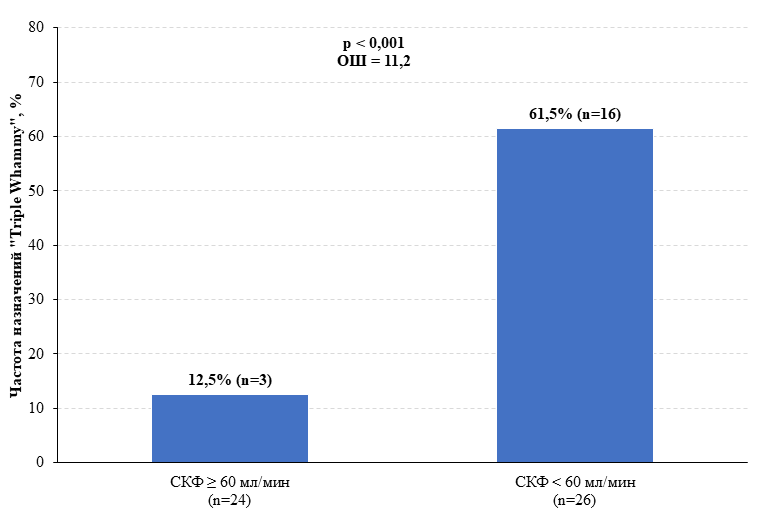
Figure 1. Frequency of formation of the potentially nephrotoxic combination "Triple Whammy" depending on the initial level of glomerular filtration rate (p <0.001)
Baseline characteristics of the sample (Figure 2) reflect a typical profile of a comorbid therapeutic patient: 23 males and 27 females, median age 55.5 years (IQR: 41.0–69.0), median BMI 25.6 kg/m² (IQR: 23.4–27.1). Among indications for NSAID prescription, osteochondrosis/dorsopathy (56%, n=28) and osteoarthritis (42%, n=21) predominated.
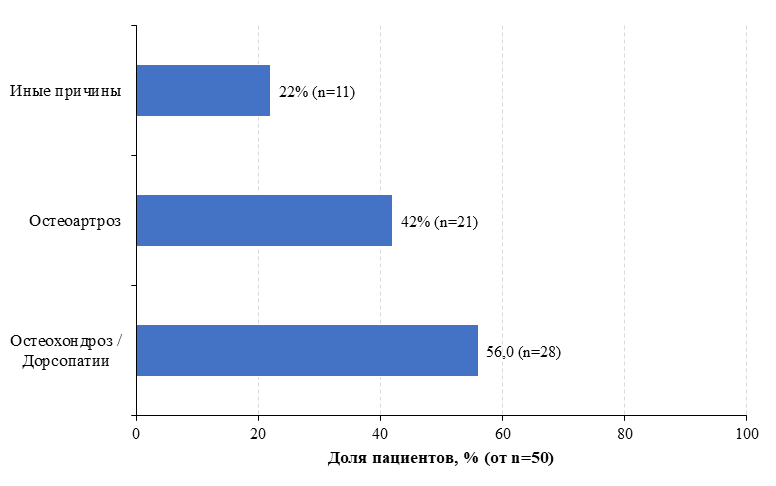
Figure 2. Structure of indications for the prescription of systemic NSAIDs (n=50; more than one indication was allowed)
The audit of medical record quality revealed clinical monitoring deficiencies: in 64% of cases (n=32), the maximum duration of NSAID use was not specified (prescriptions "as needed for pain"), which is a risk factor for uncontrolled use. In 74% (n=37) of the analyzed cases, subsequent pharmacotherapy adjustment was required (Figure 3).
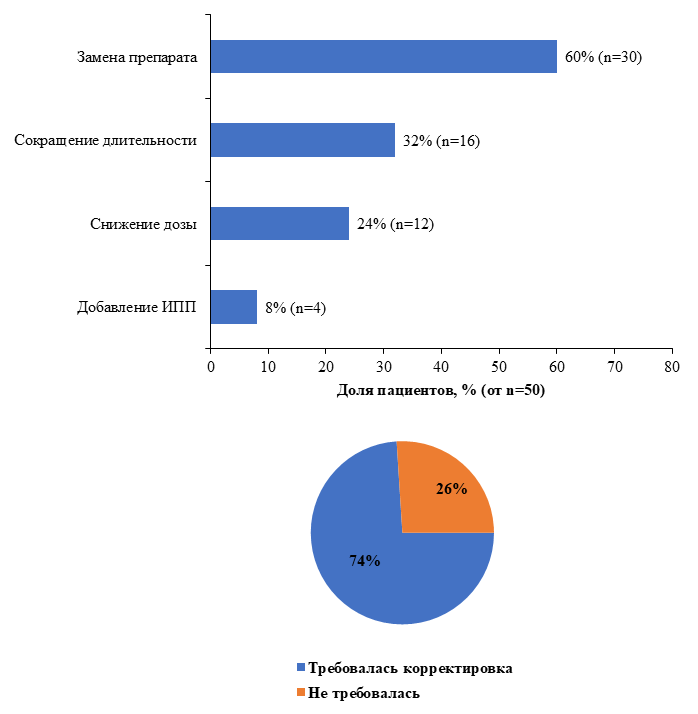
Figure 3. Need for adjustment of pharmacotherapy and structure of interventions (n=50; >1 intervention was allowed)
Signs of CKD stages 3–5 (eGFR <60 mL/min/1.73 m²) were present in more than half of patients—52% (n=26). The median eGFR in the preserved function group was 85.6 mL/min/1.73 m² (IQR: 80.2–109.5), and in the CKD group—47.3 mL/min/1.73 m² (IQR: 42.4–52.7). Data analysis (Table 1) revealed that the frequency of the "Triple Whammy" pattern was 38% overall (19 of 50 cases) (Figure 3). This combination was statistically significantly more frequent in the group of patients with pre-existing eGFR reduction (p <0.001). Reduced eGFR was associated with an increased likelihood of prescribing the "Triple Whammy" combination (OR 11.2 [95% CI: 2.64–47.48]). The observed wide confidence interval is due to the limited sample size, which determines high variance of the point estimate. The absolute risk difference for the "Triple Whammy" pattern between groups was 49.0%. The relative risk of prescribing this combination in patients with reduced eGFR was 4.92. The calculated NNH ≈ 2 indicates that for every two patients with reduced renal function, one additional case of a potentially nephrotoxic combination occurs.
Table 1
Frequency of potentially nephrotoxic co-prescriptions and development of drug-associated events, including lack of treatment effect, depending on the level of renal function (N=50)
| Clinical and pharmacological indicator | Patients with eGFR ≥60 mL/min/1.73 m² (n=24) | Patients with eGFR <60 mL/min/1.73 m² (n=26) | OR [95% CI] | p |
|---|---|---|---|---|
| Presence of "Triple Whammy" pattern (systemic NSAIDs + RAAS inhibitors + diuretic), n (%) | 3 (12.5%) | 16 (61.5%) | 11.2 [2.64–47.48] | <0.001 |
| Recorded ADRs (categories possible/probable), n (%) | 5 (20.8%) | 9 (34.6%) | 2.0 [0.60–7.20] | 0.352 |
| Note: * — Fisher's exact test. | ||||
In the overall sample, ADRs (possible/probable by WHO-UMC), as well as lack of therapeutic effect, were recorded in 14 cases (28%). Detailed analysis allowed identification of the following predominant complication patterns (Figure 4):
Cardiovascular events (n=7). The most common manifestation was blood pressure destabilization, up to severe hypertensive crises. Complications developed early—on days 2–7 after starting treatment. In four cases, the severity required emergency hospitalization; in the remaining cases, emergency medical service calls were recorded. After drug withdrawal, clinical stabilization was noted.
Renal impairment (n=3). Clinically significant increases in serum creatinine were recorded. In one case, a critical rise in creatinine from baseline 218 to 280 µmol/L was documented on day 8 during intramuscular administration of ketorolac (requiring hospitalization).
Hemorrhagic and neurological complications. Isolated cases of severe events were identified, including uterine bleeding (hospitalization on day 8 of ketorolac intake), as well as the formation of probable drug-induced (analgesic-overuse) headache.
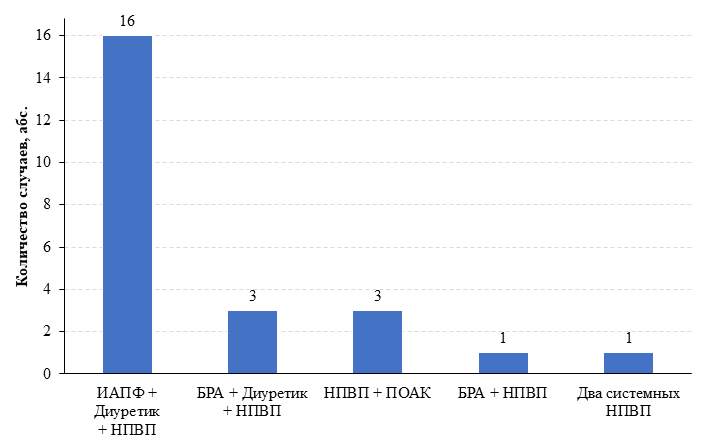
Figure 4. Frequency of potentially dangerous co-prescriptions (n=50)
Separately, lack of therapeutic effect (n=2) should be noted: persistence of severe pain syndrome, likely due to inappropriate drug or dose selection, which required revision of the analgesic regimen. In the subgroup of patients receiving ketorolac (n=9), ADRs were recorded in more than half of cases (n=5), which is a significant signal requiring further investigation.
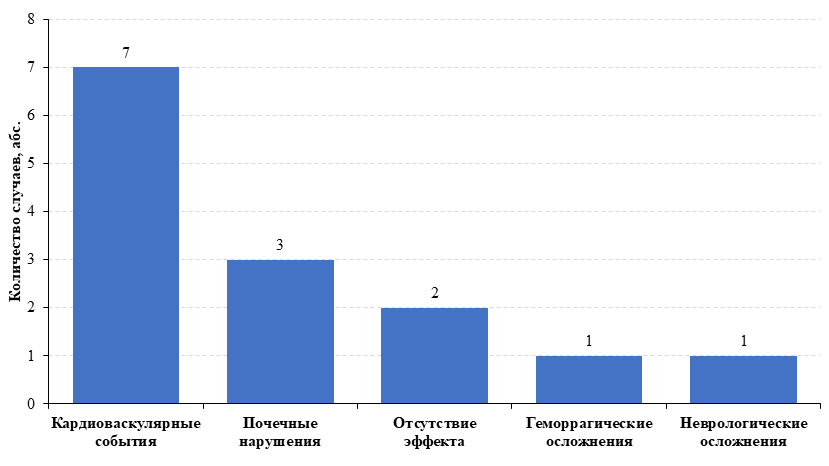
Figure 5. Structure of registered drug-associated events against the background of NSAIDs, including lack of effect (n=14)
This clinical and pharmacological audit demonstrated that a significant proportion of systemic NSAID prescriptions in outpatient practice are associated with deficiencies in documenting safety parameters. The absence of documented therapy limits ("as needed for pain") in 64% of records complicates monitoring and correlates with known risks of severe cardiovascular and renal complications with prolonged analgesic use.
Our findings illustrate a classic example of a situation against which the 2024 KDIGO guidelines are directed: patients with CKD stages 3–5 continue to receive NSAIDs in combination with RAAS blockers and diuretics without systematic monitoring, highlighting the gap between clinical guidelines and real-world clinical practice.
The analysis showed a high overall frequency of the "Triple Whammy" combination (38%) (95% CI: 25–52%). The identified pattern—a multiple predominance of this combination (OR 11.2) in patients with pre-existing reduced eGFR—is likely related to the comorbidity structure and the need for RAAS inhibitors and diuretics in patients with reduced renal function. The prescription of systemic NSAIDs in these conditions increases the likelihood of a potentially nephrotoxic cascade. This may indicate insufficient oversight by treating physicians: analgesics are prescribed in isolation for pain relief without due consideration of drug–drug interaction risks. The wide confidence interval (2.64–47.48) reflects the small sample size, thus the exact effect size requires confirmation in larger studies.
The frequency of the "Triple Whammy" combination in our sample (38% among patients receiving systemic NSAIDs) is in the upper range described in pharmacoepidemiological studies and clinical pharmacological audits [22] that assessed the prevalence of this phenomenon. At the same time, most published studies have focused either on hospitalizations for acute kidney injury or on inpatient practice, whereas our data reflect the outpatient stage of care, which may explain the higher proportion of potentially dangerous combinations.
Among registered drug-associated events, hypertensive crises predominated, which is pathogenetically explained by inhibition of prostacyclin synthesis and sodium retention, counteracting the effect of baseline antihypertensive drugs. The timing of renal impairment development (on day 8) is fully consistent with the literature on early (within the first 1–2 weeks) occurrence of acute kidney injury in the setting of the "Triple Whammy" pattern.
Of note, the most nephrotoxic combination more frequently occurs precisely in patients with pre-existing chronic kidney disease. This suggests that in outpatient practice, decisions regarding analgesic prescriptions are made without comprehensive assessment of drug–drug interactions and cumulative nephrological risk. Thus, the problem is not individual but systemic, reflecting a deficit of integrated clinical decision support mechanisms.
Although the small sample size resulted in a wide confidence interval for the odds ratio, the final indicators indicate a pronounced clinical threat. The absolute risk difference of 50% and an NNH of 2 suggest an extremely high probability of the "Triple Whammy" pattern occurring in every second patient with CKD. This underscores the need to move from isolated relative risk assessment to baseline patient profiling, which is the gold standard in modern NSAID safety research [23].
To optimize outpatient practice and minimize risks, we propose the implementation of a standardized five-step safety algorithm (checklist):
Assessment of renal function: mandatory eGFR calculation before initiating NSAID therapy.
Medication list screening: checking for RAAS inhibitors and diuretics (avoidance of the "Triple Whammy" cascade).
Limiting: selection of the minimum effective NSAID dose for the shortest duration, with clear documentation in the record.
Monitoring: creatinine and blood pressure (BP) control at 48–72 hours in high-risk patients (elderly, CKD stages 3–5, CHF, hypovolemia).
Alternatives: priority consideration of topical NSAIDs or paracetamol (taking into account hepatotoxicity risks with chronic use and total dose control).
Publications on the implementation of such clinical decision support systems demonstrate high algorithm sensitivity, acceptable specificity, and a substantial proportion of clinician-accepted interventions, leading to a reduction in the frequency of dangerous prescriptions and enabling control over potentially dangerous drug combinations in routine practice without significantly increasing the physician's workload [24–26].
This study has limitations due to its pilot, single-center, retrospective design and small sample size (n=50), which limits statistical power and precludes causal inferences. Selection bias is possible, since the inclusion criterion was the availability of creatinine data. The analysis of drug-associated events is based on events recorded in outpatient documentation and may underestimate their true frequency; most cases were classified as "Possible" according to WHO-UMC. Due to the limited number of events, multivariable analysis was not performed, which does not exclude the influence of confounding factors. Nevertheless, the magnitude of the absolute risk difference and the low NNH value may indicate the clinical significance of the identified associations, warranting further research.
In outpatient practice, a high level of documentation deficiencies was identified: in 64% (n=32) of cases, data on the maximum duration of NSAID therapy are absent, necessitating the implementation of a standardized checklist for internists.
Prescription of the potentially nephrotoxic drug combination "Triple Whammy" (systemic NSAIDs + RAAS inhibitors + diuretic) is statistically significantly associated with reduced renal function (OR 11.2 [95% CI: 2.64–47.48]). The observed trend requires confirmation of the exact effect size in larger studies.
In the clinical structure of registered complications during systemic NSAID therapy (including ketorolac), blood pressure destabilization and worsening renal function predominate.
The results obtained indicate the need to implement algorithms for automated risk alert at the level of regional medical information systems, and also require confirmation of the exact effect size in larger and, preferably, multicenter studies.
1. Karateev A.E., Nasonov E.L., Ivashkin V.T., et al. Rational use of nonsteroidal anti-inflammatory drugs. Clinical guidelines. Rheumatology Science and Practice. 2018;56:1-29. (In Russ.).
2. Amaechi O, Huff man MM, Featherstone K. Pharmacologic Th erapy for Acute Pain. American Family Physician. 2021 Jul;104(1):63-72.
3. Orekhova L.Yu., Shayda L.P., Vashneva V.Yu., et al. Peculiarities of non-steroidal anti-inflammatory drugs in the treatment of complicated caries in patients with concomitant somatic pathology. Endodontics today. 2021;19(1):45-52.
4. Karateev R.A., Nikitinskaya O.A., Toroptsova N.V., Karateev A.E. Nonsteroidal anti-inflammatory drugs for pain relief in case of injuries: Is there a risk of bone metabolism disorders and nonunion of bone fractures? Rheumatology Science and Practice. 2022;60(3):299-305. (In Russ.).
5. Davies NM, Reynolds JK, Undeberg MR, et al. Minimizing risks of NSAIDs: cardiovascular, gastrointestinal and renal. Expert Rev Neurother. 2006 Nov;6(11):1643-55. doi: 10.1586/14737175.6.11.1643.
6. Ahsan MU, Ambreen U, Javed H, et al. NSAID-associated renal injury: mechanisms, risks, and safer strategies. Arch Nephrol Ren Stud. 2025;5(1):1-5. doi: 10.33696/nephrology.5.013.
7. Villa Zapata L, Hansten PD, Panic J, et al. Risk of Bleeding with Exposure to Warfarin and Nonsteroidal Anti-Inflammatory Drugs: A Systematic Review and Meta-Analysis. Thromb Haemost. 2020 Jul;120(7):1066- 1074. doi: 10.1055/s-0040-1710592.
8. Mattioli I, Bettiol A, Crescioli G, et al; MEREAFaPS Study Group. Hospitalisations Related to the Combination of ACE Inhibitors and/or Angiotensin Receptor Blockers with Diuretics and NSAIDs: A Post Hoc Analysis on the Risks Associated with Triple Whammy. Healthcare (Basel). 2023 Jan 12;11(2):238. doi: 10.3390/healthcare11020238.
9. Alam SM, Qasswal M, Ahsan MJ, et al. Selective serotonin reuptake inhibitors increase risk of upper gastrointestinal bleeding when used with NSAIDs: a systemic review and meta-analysis. Sci Rep. 2022 Aug 24;12(1):14452. doi: 10.1038/s41598-022-18654-2.
10. Clinical guidelines «Rational use of nonsteroidal anti-inflammatory drugs (NSAIDs) in clinical practice». Part I. S.S. Korsakov Journal of Neurology and Psychiatry. 2015;115(4):70-82. (In Russ.).
11. Moore N, Pollack C, Butkerait P. Adverse drug reactions and drug-drug interactions with over-the-counter NSAIDs. Ther Clin Risk Manag. 2015 Jul 15;11:1061-75. doi: 10.2147/TCRM.S79135.
12. Nikitin EY, Shakhnova EA, Osipova AV, et al. Drug-induced acute kidney injury among medical inpatients of therapeutic profile. Therapy. 2021;7(6):18-23. (In Russ.).
13. Lim JS, Han S, Kim JS, et al. Effects of NSAIDs on Early CKD Development: A 10-Year Population-Based Study Using the Korean Senior Cohort. Drugs Aging. 2025 Oct;42(10):953-961. doi: 10.1007/s40266-025-01239-9.
14. Rebrov A.P. Pain, nsaids, and chronic kidney disease: a difficult relationship. South Russian Journal of Therapeutic Practice. 2022;3(2):25-31. (In Russ.).
15. Zakharova E.V., Ostroumova O.D., Klepikova M.V. Drug-Induced Acute Kidney Injury. Safety and Risk of Pharmacotherapy. 2021;9(3):117-127. (In Russ.).
16. Lapi F, Azoulay L, Yin H, et al. Concurrent use of diuretics, angiotensin converting enzyme inhibitors, and angiotensin receptor blockers with non-steroidal anti-inflammatory drugs and risk of acute kidney injury: nested case-control study. BMJ. 2013 Jan 8;346:e8525. doi: 10.1136/bmj.e8525.
17. Zhang X, Donnan PT, Bell S, Guthrie B. Non-steroidal anti-inflammatory drug induced acute kidney injury in the community dwelling general population and people with chronic kidney disease: systematic review and meta-analysis. BMC Nephrol. 2017 Aug 1;18(1):256. doi: 10.1186/s12882-017-0673-8.
18. Soliman S, Ahmed RM, Ahmed MM, et al. Non-steroidal anti-inflammatory drugs: what is the actual risk of chronic kidney disease? A systematic review and meta-analysis. Rom J Intern Med. 2025 Mar 31;63(1):3-27. doi: 10.2478/rjim-2024-0029.
19. Awdishu L, Maxson R, Gratt C, et al. KDIGO 2024 clinical practice guideline on evaluation and management of chronic kidney disease: A primer on what pharmacists need to know. Am J Health Syst Pharm. 2025 Jun 11;82(12):660-671. doi: 10.1093/ajhp/zxaf044.
20. Th e use of the WHO-UMC system for standardised case causality assessment. World Health Organization. Режим доступа: 20.05.2026. https://www.who.int/publications/m/item/WHO-causality-assessment
21. Kunitsu Y, Hira D, Nakagawa S, et al. NSAID-Induced acute kidney injury risk in patients on renin-angiotensin system inhibitors and diuretics: nationwide cohort study. J Pharm Health Care Sci. 2025 Aug 18;11(1):77. doi: 10.1186/s40780-025-00485-8.
22. Calvo DM, Saiz LC, Leache L, et al. Acute kidney injury and morbi-mortality associated with "triple whammy" combination: Systematic review and meta-analysis. Br J Clin Pharmacol. 2025 Nov;91(11):3031-3041. doi: 10.1002/bcp.70263.
23. Dahmke H, Schelshorn J, Fiumefreddo R, et al. Evaluation of Triple Whammy Prescriptions After the Implementation of a Drug Safety Algorithm. Drugs Real World Outcomes. 2024 Mar;11(1):125-135. doi: 10.1007/s40801-023-00405-y.
24. Bataineh A, Dealmeida D, Bilderback A, et al. Sustained effects of a clinical decision support system for acute kidney injury. Nephrol Dial Transplant. 2020 Oct 1;35(10):1819-1821. doi: 10.1093/ndt/gfaa099.
25. Khokhlov A.L., Ulumbekova G.E., Burykin I.M., et al. Methodological foundations for the design of a digital system to minimize risks in complex pharmacotherapy. ORGZDRAV: novosti, mneniya, obuchenie. Vestnik VSHOUZ = HEALTHCARE MANAGEMENT: News, Views, Education. Bulletin of VSHOUZ. 2025;11(4):4–32. (In Russ.).
26. Belousov D.Yu. Future developments in precision and personalized medicine. Patient-Oriented Medicine and Pharmacy. 2023;1(4):8-13. (In Russ.).
Ilya S. Yudin — a second-year resident physician specializing in clinical pharmacology and an intern in the Clinical Pharmacology Department
Samara
The authors declare no conflict of interest
Aleksandr S. Shpigel — Dr. Sci. (Med.), Professor of the Department of Hospital Therapy with courses in Hematology and Transfusiology
Samara
The authors declare no conflict of interest
Yudin I.S., Shpigel A.S. Retrospective clinical and pharmacological audit of non-steroidal anti-inflammatory drug prescriptions and the "Triple Whammy" phenomenon in polymorbid outpatients. Kachestvennaya Klinicheskaya Praktika = Good Clinical Practice. 2026;(2):102-112. (In Russ.) https://doi.org/10.37489/2588-0519-GCP-0030. EDN: TLFOAX
НАШИ КНИГИ



Другие журналы
"Издательства ОКИ"


ПАРТНЕРЫ

 Email this article (Login required)
Email the author (Login required)
Email this article (Login required)
Email the author (Login required) 121357, Moscow, st. Vatutina, 4, building 2, apt. 22
LLC Publishing House OKI
Tel. +7 (926) 568-17-35
e-mail: clinvest@mail.ru


