


Contents
Scroll to:
https://doi.org/10.37489/2588-0519-GCP-0027
EDN: OIRBHN
Scroll to:
Introduction. Urinary tract infections (UTIs) remain among the most common bacterial infections in hospitalized patients. The increasing antimicrobial resistance, particularly among Escherichia coli strains, significantly complicates the selection of effective empiric therapy.
Objective. To improve the effectiveness of initial UTI treatment in hospitalized patients based on local microbiological surveillance and current clinical guidelines.
Methods. An analytical review of international (IDSA, EAU) and Russian clinical guidelines (2023–2025) was conducted, along with a retrospective analysis of 40 medical records of inpatients with confirmed UTIs. Demographic characteristics, pathogen distribution, antimicrobial resistance profiles (according to EUCAST/CLSI criteria), and initial empiric therapy were assessed.
Results. The predominant pathogen was E. coli (≈70 % of isolates), demonstrating 100 % resistance to ciprofloxacin and cefotaxime, while retaining susceptibility to nitrofurantoin, amoxicillin/clavulanate, aminoglycosides, and carbapenems. Ampicillin resistance was observed in 46 % of E. coli strains. Cases of inadequate empiric therapy were identified, particularly in infections caused by ESBL-producing strains. The mean patient age was 72 years, with the majority having multiple comorbidities (hypertension — 95 %, diabetes mellitus — 32.5 %). Based on the findings, a structured clinical algorithm was developed, including risk stratification, diagnostic steps, empiric antibiotic selection rules, and criteria for specialist consultation. The algorithm has been integrated into a registered Telegram-based antimicrobial therapy decision-support chatbot (certificate No. RU 2024614994).
Conclusion. The implementation of local microbiological surveillance and a structured algorithm improves the rationale of empiric antibacterial therapy for UTIs, reduces the likelihood of inappropriate prescriptions, and promotes rational antimicrobial use in hospital settings. The proposed approach aligns with current clinical guidelines and can be recommended for integration into clinical decision support systems.
Ketova G.G., Shamina O.M., Zolotova E.Yu., Pautova E.P. Optimization of initial empiric therapy for urinary tract infections in hospitalized patients based on local microbiological surveillance. Kachestvennaya Klinicheskaya Praktika = Good Clinical Practice. 2026;(2):62-72. (In Russ.) https://doi.org/10.37489/2588-0519-GCP-0027. EDN: OIRBHN
Urinary tract infections (UTIs) rank among the most prevalent bacterial infections worldwide, affecting approximately 150 million people annually [1]. The risk of UTI increases significantly with age; according to some data, over 50–60% of adults experience at least one UTI episode in their lifetime [1]. The issue of UTIs is particularly relevant in hospital settings: they represent one of the most common healthcare-associated infections, especially among patients with indwelling catheters and comorbidities, and frequently lead to severe complications (acute pyelonephritis, UTI-related sepsis) [2]. The situation is exacerbated by the growing antimicrobial resistance of pathogens, which complicates therapeutic decision-making and leads to increased morbidity and mortality [3, 4]. Concurrently, inappropriate antibiotic use (e.g., overprescribing for asymptomatic bacteriuria) contributes to the selection of resistant strains [5]. Thus, improving outcomes requires an integrated approach encompassing local microbiological surveillance and adherence to current clinical guidelines [6–9, 10, 11, 12].
The aim of this study was to improve the effectiveness of UTI treatment in hospitalized patients based on analysis of local microbiological surveillance data and current clinical guidelines. To achieve this aim, the following objectives were set: (1) to conduct a literature review of international and Russian guidelines for 2023–2025 on UTI management; (2) to analyze local microbiological surveillance data: the etiological structure of UTI pathogens in the hospital setting and their antimicrobial susceptibility; (3) to compare international and Russian therapeutic approaches, including strategies for initial (empiric) antibiotic therapy; (4) to develop a practical clinical algorithm for patient stratification and selection of initial therapy, taking into account risk factors and local resistance profiles; (5) to ensure the algorithm's compliance with antibiotic therapy principles (evidence base, visual clarity, legal validity) and to consider its digital implementation — integration into an existing Telegram-based antimicrobial therapy chatbot ("AMT," state registration certificate for computer program No. RU 2024614994 dated 21.02.2024) and subsequent potential deployment in clinical decision support systems (e.g., AMRnote).
A comprehensive review of sources from 2023–2025 was conducted, including international guidelines (e.g., IDSA — Infectious Diseases Society of America; EAU — European Association of Urology) and Russian clinical guidelines from the Ministry of Health of the Russian Federation and professional societies on UTI management [4–11, 13]. Particular attention was paid to recommendations for the treatment of various UTI forms (uncomplicated and complicated), management of asymptomatic bacteriuria, and empiric therapy in hospitalized patients [5-9, 10, 11, 13]. Additionally, a retrospective analysis of local data was performed: medical records of 40 patients from the therapeutic department with confirmed UTIs were reviewed. This analysis collected demographic data (age, sex, comorbidities), information on initial antibiotic therapy, and results of urine bacteriological cultures with antimicrobial susceptibility testing of isolated pathogens. The data were summarized in tables and charts reflecting the microbiological structure and antimicrobial resistance profiles. Interpretation of results considered EUCAST/CLSI susceptibility criteria, as well as the inclusion status of drugs in the List of Essential and Vital Medicines (LEVM) to assess availability and compliance with clinical guidelines [4, 14].
Etiological Structure of UTIs. Analysis of local microbiological surveillance revealed that UTI pathogens in hospitalized patients were predominantly Gram-negative bacteria (82.5% of cases). The largest proportion was attributed to Escherichia coli — approximately 70% of isolates, followed by Klebsiella pneumoniae (≈10%) and other Enterobacteriaceae (Proteus vulgaris ≈5%). Non-fermenting Gram-negative bacteria, such as Pseudomonas aeruginosa, were less frequently identified (1 isolate in our observation, ≈2.5%). Gram-positive pathogens collectively accounted for ≈17.5% of cases, represented mainly by Enterococcus faecalis (7.5%) and Streptococcus agalactiae (5%). These data are consistent with national trends in Russia: according to the results of the multicenter DARMIS-2018 study, E. coli is the etiological agent in ≈71% of community-acquired UTIs in adults, while K. pneumoniae accounts for ≈12%, with other Enterobacteriaceae and Gram-positive cocci occurring less frequently [3]. Thus, E. coli remains the dominant pathogen in both community and hospital settings, but in hospital-acquired UTIs, the proportion of resistant strains and other pathogens (e.g., hospital strains of K. pneumoniae, P. aeruginosa, and enterococci) increases.
Antimicrobial Resistance of Pathogens. Local data indicate a high level of antimicrobial resistance among uropathogens, particularly in hospital strains of E. coli. In our sample, E. coli demonstrated 100% resistance to ciprofloxacin and cefotaxime, indicating a wide prevalence of extended-spectrum beta-lactamase (ESBL)-producing strains, as well as fluoroquinolone resistance mechanisms. Ampicillin resistance was observed in 46% of isolated E. coli strains. At the same time, E. coli susceptibility was fully preserved to nitrofurantoin, amoxicillin/clavulanic acid, aminoglycosides (gentamicin, amikacin), and carbapenems (imipenem/cilastatin, meropenem). K. pneumoniae (4 strains) also demonstrated resistance to ampicillin and reduced susceptibility to cefepime and gentamicin (intermediate susceptibility in 25–50% of isolates). All isolated K. pneumoniae strains were susceptible to amoxicillin/clavulanic acid and carbapenems. A single P. aeruginosa isolate was multidrug-resistant: resistant to cephalosporins (ceftazidime, cefepime), co-trimoxazole, and gentamicin, while retaining intermediate susceptibility to piperacillin/tazobactam, amoxicillin/clavulanic acid, carbapenems, and fluoroquinolones. P. vulgaris (2 strains) demonstrated resistance to nitrofurantoin (100% of isolates R) and ampicillin, consistent with the known properties of this species. E. faecalis (3 strains) retained susceptibility to ampicillin, ciprofloxacin, and gentamicin; however, it should be noted that standard therapy for enterococcal UTIs is based on beta-lactams (ampicillin) or glycopeptides in cases of resistance.
The obtained local indicators are consistent with data from major studies. According to DARMIS-2018 results for community-acquired E. coli strains in Russia, fosfomycin (≈98% of strains) and nitrofurantoin (≈98%) remain susceptible, while susceptibility to co-trimoxazole and amoxicillin/clavulanic acid is reduced (<80%), and susceptibility to ciprofloxacin is only ≈60% [8]. The prevalence of ESBL production among E. coli exceeds 25%. Hospital strains demonstrate even higher resistance rates: according to literature data, the proportion of ESBL-producers among hospital Enterobacteriaceae often exceeds 50%, with carbapenem-resistant Klebsiella and Pseudomonas strains emerging [3, 15]. Therefore, empiric antibiotic selection for UTIs should be based on current local and regional antimicrobial resistance surveillance data. In our hospital, given the identified 100% resistance of E. coli to cefotaxime and fluoroquinolones, empiric use of third-generation cephalosporins or ciprofloxacin for severe UTIs is not advisable. More justified is the use of agents to which the majority of uropathogens retain susceptibility (e.g., inhibitor-protected penicillins, inhibitor-protected cephalosporins, and carbapenems — depending on the clinical situation).
Patient Characteristics. The mean age of patients in our analysis was 72 years, with the majority being elderly women with multiple comorbidities. The comorbidity profile included arterial hypertension (95%), coronary artery disease (50%), chronic heart failure (35%), diabetes mellitus (32.5%), chronic kidney disease (20%), and others. More than half of the patients had a history of oncological diseases. Polymorbidity and advanced age are associated with more severe UTI presentation and a higher risk of complications. In 27.5% of patients, the infection was severe, requiring initiation of parenteral antibiotic therapy from the first day (ceftriaxone, cefoperazone/sulbactam, ampicillin/sulbactam were most frequently used, less commonly — ertapenem). The remainder (≈67%) received initial oral antimicrobial therapy, predominantly amoxicillin/clavulanic acid, sometimes fluoroquinolones or single-dose fosfomycin. Thus, therapeutic practice often employs a step-down approach: in relatively stable patients, treatment is initiated with an oral agent, while in cases of negative dynamics, therapy is escalated. Analysis of compliance between empiric therapy and pathogen susceptibility showed that in some cases, initial treatment was inadequate (e.g., prescription of fluoroquinolones or cephalosporins with subsequent identification of ESBL-producing E. coli). This underscores the need to improve the algorithm for initial UTI therapy in the hospital setting based on current antimicrobial resistance data.
Comparison of International and National Approaches. Current clinical guidelines from various countries converge on the fundamental principles of UTI management, emphasizing rational antibiotic therapy and prevention of unnecessary antibiotic prescriptions [5–11]. A key example is the management of asymptomatic bacteriuria (AB). According to updated IDSA guidelines (2019) and EAU guidelines (2022–2023), screening and treatment of asymptomatic bacteriuria are not recommended except in two situations: pregnancy and scheduled urological interventions involving mucosal injury [5–11]. European urologists explicitly state that in all other cases, AB treatment is futile and potentially harmful due to the risk of resistance development, and in patients with recurrent UTIs, AB therapy may provoke new infection episodes [5–11]. Russian guidelines hold a similar position: AB should be treated only in pregnant women (as it has been shown to reduce the risk of pyelonephritis in pregnancy) and before invasive urological procedures [8]. In pregnancy, a short course of a safe antibiotic is recommended (e.g., single-dose fosfomycin trometamol) [8]. Conversely, treatment of AB in elderly patients, patients with diabetes, chronic indwelling catheters, etc., is not indicated [6, 7, 8]. Implementation of this approach in clinical practice is extremely important, as AB has historically been a cause of numerous unjustified antibiotic prescriptions. Thus, both international and Russian guidelines emphasize the principle of "do no harm" — absence of symptoms = absence of antibiotics [5, 11].
Another strategic aspect is the choice of initial empiric therapy for symptomatic UTIs. Here, the category of infection is considered (uncomplicated cystitis, pyelonephritis, complicated/nosocomial UTI, UTI-associated sepsis, etc.), as well as local pathogen resistance data [3, 6–9, 10, 11]. In international guidelines, there has been a shift toward narrower-spectrum and safer agents: for acute uncomplicated cystitis in women, the preferred agents are currently fosfomycin trometamol (3 g single dose), nitrofurantoin (100 mg twice daily, 5 days), or pivmecillinam (400 mg three times daily, 3–5 days) [11, 16]. These agents are effective against E. coli and the majority of uropathogens, while having minimal impact on gut microbiota and a low potential for inducing resistance [11, 16]. Previously popular agents such as fluoroquinolones and aminopenicillins (ampicillin, amoxicillin) are not recommended for uncomplicated infections due to the high level of E. coli resistance and the availability of more effective alternatives [3, 11, 16]. IDSA similarly indicates the appropriateness of nitrofurantoin (5 days), fosfomycin, or trimethoprim/sulfamethoxazole (3 days, if <20% resistance locally) for empiric treatment of cystitis, and does not recommend ciprofloxacin in the absence of complications [16]. Russian clinical guidelines of recent years are aligned with international standards: fosfomycin and nitrofurans are included as first-line therapy for uncomplicated UTIs [6–9]. For example, in the clinical guidelines "Cystitis in Women" (2024), fosfomycin and nitrofurantoin are listed as primary agents for the treatment of acute cystitis in women, with fluoroquinolones indicated only as an alternative in cases of intolerance to other agents [7]. An important innovation in European practice has been the restriction of fluoroquinolone use: since 2019, the European Commission has introduced legally binding restrictions on the use of fluoroquinolones for mild infections due to the risk of severe adverse effects [11]. This has influenced guideline revisions — these agents are now reserved for more severe cases or allergies when no safe alternative exists [11].
For acute pyelonephritis and complicated UTIs, international guidelines recommend basing treatment on the severity of the condition and the risk of resistance [10, 11, 16]. For relatively stable outpatients with pyelonephritis, oral therapy is possible (ciprofloxacin 7 days or co-trimoxazole 14 days, provided susceptibility) or an initial loading dose of ceftriaxone followed by transition to oral therapy [16]. In the hospital setting for moderate pyelonephritis, parenteral third-generation cephalosporins (ceftriaxone, cefotaxime) or protected penicillins (piperacillin/tazobactam) are recommended — taking into account the local susceptibility profile [10, 11]. If Enterococcus is likely (e.g., in elderly men, catheterized patients), ampicillin or vancomycin is added to the regimen [10]. When P. aeruginosa is suspected, beta-lactams with antipseudomonal activity (cefepime, piperacillin/tazobactam, meropenem) or fluoroquinolones (levofloxacin) are prescribed if susceptibility is preserved [10, 11]. Severe complicated UTIs and UTI-associated sepsis require immediate initiation of broad-spectrum empiric therapy. IDSA in the draft of new 2025 guidelines emphasizes that in cases of sepsis, treatment should begin immediately after culture collection, without waiting for results, covering the most likely resistant pathogens [10]. European and Russian guidelines concur: upon admission of a patient with severe urological infection or sepsis — escalation therapy covering ESBL-producers and other possible microorganisms with extreme or pandrug resistance is required [6–9, 11, 13]. Most often, the choice falls on carbapenems (imipenem/cilastatin or meropenem) in combination with an agent targeting Gram-positive flora (e.g., vancomycin if methicillin-resistant Staphylococcus aureus (MRSA) is at risk) [10, 13]. In the most critical situations (nosocomial UTI caused by carbapenem-resistant Klebsiella or Acinetobacter strains), a combination of polymyxin with carbapenem and vancomycin may be required. Naturally, such "heavy artillery" should be used strictly according to indications and under specialist supervision to avoid further selection of resistance.
Legal Aspects and Implementation of Guidelines. In the Russian Federation, since 2022, physicians have been legally obligated to follow approved clinical guidelines in the provision of medical care, as enshrined in federal legislation and regulatory acts [6–9]. Therefore, the development of the local UTI therapy algorithm was based on current clinical guidelines developed by expert communities and approved by the Ministry of Health of the Russian Federation, ensuring its legal validity. All proposed therapeutic regimens are formulated in accordance with current clinical guidelines of the Ministry of Health of Russia and include only medicinal products registered in the Russian Federation. For each drug, the dosage regimen and duration of use according to the approved instructions for medical use have been considered. When selecting agents, their status in the List of Essential and Vital Medicines was also taken into account, ensuring both clinical justification and normative-legal correctness of prescriptions.
Implementation of the algorithm into practice is being conducted through staff training and integration into electronic clinical decision support systems. In 2024, at the South Ural State Medical University clinic, we created a Telegram-based antimicrobial therapy chatbot, registered as a computer program (certificate No. RU 2024614994 dated 21.02.2024) [17]. The chatbot contains local regimens, algorithms, and reference information, is actively used by hospital specialists, and allows for the rapid provision of structured recommendations at the patient's bedside.
The developed UTI management algorithm has been integrated into the structure of the existing chatbot, expanding its functionality. Additionally, the algorithm may be hosted on the AMRnote platform — an online tool for creating and sharing antibiotic therapy protocols, ensuring its accessibility within the national decision support system. International experience confirms the effectiveness of such electronic tools in improving guideline adherence and treatment outcomes [10, 11, 16].
Finally, an important aspect is the interdisciplinary approach in managing severe cases. According to Russian clinical guidelines on sepsis, in severe UTI with the development of sepsis, it is necessary to involve relevant specialists — an anesthesiologist-resuscitator, clinical pharmacologist, clinical microbiologist, and infectious disease specialist — for joint determination of optimal treatment strategy [6–9, 11, 13]. Consultation with a clinical pharmacologist is particularly useful when reserve antibiotics (carbapenems, polymyxins, etc.) are required, for monitoring drug interactions, and for dose adjustment in complex patients. Such a team-based approach, supported by clear local protocols, ensures continuity and safety of therapy.
The study is based on local data from a single hospital, which may limit the possibility of direct extrapolation of the results to other medical organizations. Antimicrobial susceptibility indicators reflect the current microbiological situation and require regular updating to maintain the relevance of the developed clinical algorithm.
Based on the conducted analysis, a unified algorithm for UTI management in the hospital setting has been developed (Fig. 1).
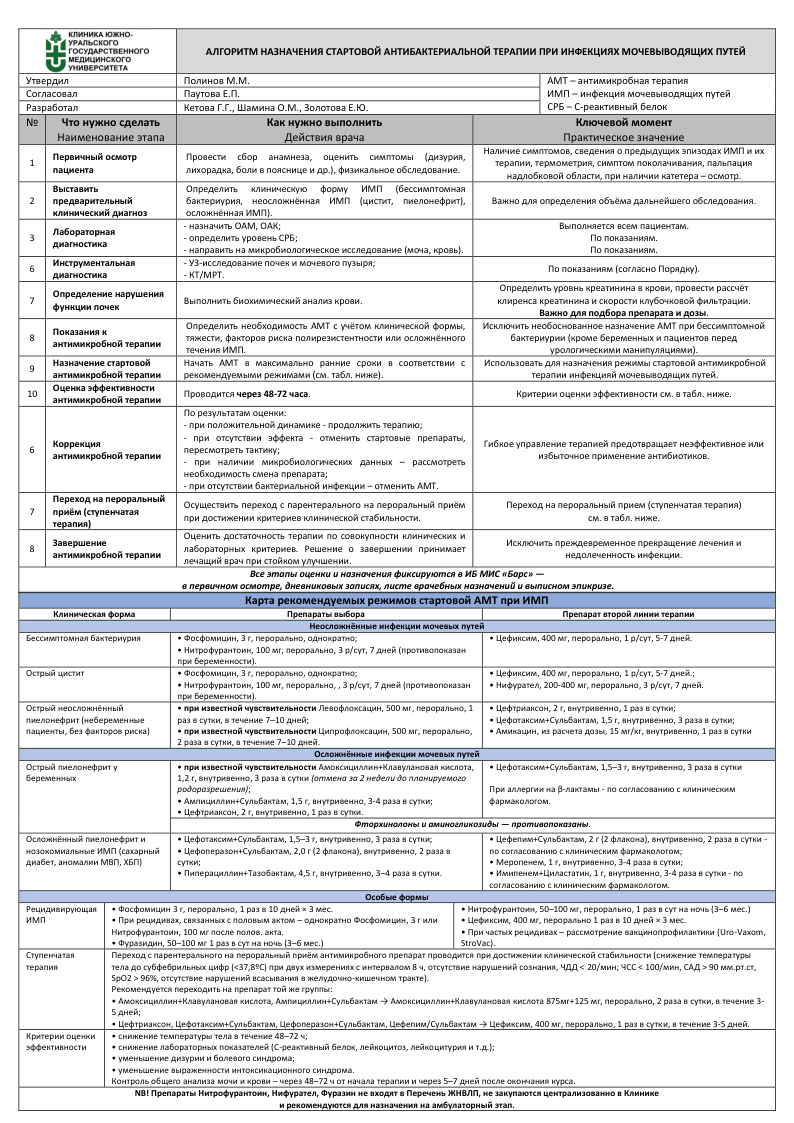
Figure 1. Unified clinical algorithm for initial antibacterial therapy in urinary tract infections
The algorithm includes stratification of patients according to risk factors for resistant pathogens, standardized physician action sequence (diagnostics, culture collection, empiric antibiotic selection), and criteria for specialist involvement. The main provisions of the algorithm:
1. Patient Stratification by Risk of Multidrug-Resistant (MDR) Microorganism Infection. It is recommended to stratify patients into risk groups for MDR microorganism infection. Risk factors include: recent hospitalization or residence in a nursing home; presence of an indwelling urinary catheter or stent; prior antibiotic therapy (last 3–6 months); chronic complicating conditions (neurogenic bladder, obstructive uropathy); known colonization with MDR flora (e.g., ESBL-producers, MRSA).
Conventionally, the following categories can be distinguished:
Low risk (uncomplicated UTI in a patient without the above factors);
Moderate risk (complicated or nosocomial UTI with certain factors, or failure of first-line therapy);
High risk (previously identified MDR infection, prolonged hospitalization, immunosuppression, focal infection not drainable without intervention).
Stratification helps avoid both overuse of "heavy" antibiotics and overly narrow therapy in high-risk situations.
2. Diagnostics and Specimen Collection. In all patients with signs of UTI, before starting antibiotic therapy, a urinalysis with microscopy should be performed, as well as urine culture for microflora with susceptibility testing. If sepsis is suspected, blood culture is also recommended. In some cases (unclear diagnosis, suspicion of obstruction), instrumental methods — ultrasound, CT, or MRI — are indicated. The presence of fever, chills, severe pain, and other symptoms of pyelonephritis requires mandatory assessment for upper urinary tract obstruction. If identified, timely decompression measures must be ensured, as antimicrobial therapy is ineffective without obstruction resolution.
3. Empiric Antimicrobial Therapy. Figure 1 presents a scheme for selecting the initial agent based on risk category and severity:
Low risk (uncomplicated UTI, community-acquired, moderate condition): preferred narrow-spectrum oral therapy;
Moderate risk (complicated UTI, nosocomial infection, or lack of improvement from first-line therapy): escalation of antibiotic therapy indicated;
High risk (suspicion of multidrug-resistant strains with extensive drug resistance, including carbapenem-resistant Enterobacteriaceae): combination of reserve antibiotics applied.
4. Effectiveness Assessment and Consultation. Effectiveness criteria — reduction in temperature, symptom alleviation, normalization of laboratory parameters. Primary monitoring — at 48–72 hours from treatment initiation.
In the absence of positive dynamics, it is necessary to:
Re-evaluate the diagnosis (exclude other infection foci, abscess, urinary tract obstruction);
Revise antibiotic therapy based on antibiogram data;
If necessary, convene a consultation (urologist, infectious disease specialist, clinical pharmacologist) for treatment adjustment.
In cases of sepsis development, consultation is mandatory; decisions regarding the use of highly toxic reserve agents are made collectively.
5. Preventive Measures. During treatment, predisposing factors should be addressed: remove or replace urinary catheters in a timely manner, provide adequate infusion therapy, and monitor diuresis.
After therapy completion, a follow-up plan should be established:
In women with recurrent episodes, discuss possible prevention methods (phytotherapy, local estrogens in postmenopause, immunoprophylaxis);
In men — treat underlying pathology predisposing to infections (e.g., BPH).
Asymptomatic bacteriuria after treatment does not require antibiotics (except in pregnant women and patients prior to invasive urological procedures, as noted above). Patients should be educated about the inadmissibility of self-treatment with antibiotics for subsequent UTI episodes without medical consultation.
This paper presents a review of current UTI management tactics in hospital practice, taking into account the local microbiological situation and current clinical guidelines. The conducted analysis confirmed the high prevalence of UTIs among hospitalized patients and identified an alarming level of antimicrobial resistance among the main pathogens (particularly E. coli). This necessitates careful justification of empiric antibiotic therapy based on local data and international experience. Comparison of IDSA, EAU, and Russian clinical guidelines approaches showed their fundamental unity on key issues: inadmissibility of treating asymptomatic bacteriuria (except in clearly specified cases), use of narrow-spectrum first-line agents in uncomplicated UTIs, and escalation to broad-spectrum combinations in severe complicated cases. The proposed clinical algorithm summarizes these principles and adapts them to the practice conditions at the South Ural State Medical University clinic. The algorithm allows for risk stratification of patients and selection of an optimal initial regimen: from an oral agent in mild infection to a combination of reserve antibiotics in septic conditions. Implementation of this protocol, especially with the support of electronic tools (Telegram chatbot "AMT," AMRnote, etc.), is intended to improve the quality and safety of treatment: reduce the proportion of empirically inadequate therapy, decrease unjustified use of broad-spectrum agents, thereby curbing resistance development. Furthermore, the algorithm considers legal requirements (compliance with Ministry of Health clinical guidelines) and practical significance in the real-world hospital setting.
Rational UTI management should be based on three pillars — current evidence-based guidelines, local pathogen surveillance data, and an interdisciplinary approach. Only by combining these components can optimal patient outcomes be achieved while simultaneously combating the threat of antimicrobial resistance. The presented recommendations and algorithm have undergone preliminary validation and can be recommended for use in clinical practice in the hospital setting, as well as integration into clinical decision support systems for physician convenience. Their use will allow standardization of care for UTI patients, improve outcomes (reduce the frequency of complications, recurrences, and mortality in urosepsis), and ensure adherence to the principles of antimicrobial stewardship. Thus, the developed protocol represents an important step toward optimizing UTI therapy and countering the global challenge of antimicrobial resistance in a large medical hospital.
1. Medina M, Castillo-Pino E. An introduction to the epidemiology and burden of urinary tract infections. Ther Adv Urol. 2019;11: 1756287219832172. DOI: 10.1177/1756287219832172
2. Öztürk R, Murt A. Epidemiology of urological infections: a global burden. World J Urol. 2020;38:2669-2679. DOI: 10.1007/s00345-019-03071-4
3. Kozlov RS, Palagin IS, Ivanchik NV et al. National monitoring of antibiotic resistance of pathogens causing community-acquired urinary tract infections in Russia: results of the multicenter epidemiological study "DARMIS-2023". Clinical Microbiology and Antimicrobial Chemotherapy. 2024;26(3):328-337. (In Russ.) DOI: 10.36488/cmac.2024.3.328-337 EDN: KRZZBF
4. Rossiiskie rekomendatsii. Opredelenie chuvstvitel'nosti mikroorganizmov k antimikrobnym preparatam. Version 2024-02. Smolensk: MAKMAKh, SGMU; 2024. 192 p. (In Russ.) ISBN: 978-5-91812-253-2
5. Nicolle LE, Gupta K, Bradley SF, et al. Clinical Practice Guideline for the Management of Asymptomatic Bacteriuria: 2019 Update by the Infectious Diseases Society of America. Clin Infect Dis. 2019;68(10):e83-e110. DOI: 10.1093/cid/ciy1121
6. Minzdrav Rossii. Clinical guidelines "Acute pyelonephritis". 2024. (In Russ.)
7. Rossii. Clinical guidelines "Cystitis in women". 2024. (In Russ.)
8. Minzdrav Rossii. Clinical guidelines "Urinary tract infection in pregnancy". 2025. (In Russ.)] Доступно по: https://cr.minzdrav.gov.ru/view-cr/719_2.
9. Perepanova TS, Kozlov RS, Kulabukhov VV, Palagin IS. Antimicrobial Therapy and Prevention of Infections of the Kidneys, Urinary Tract, and Male Genital Organs. Clinical Guidelines. Moscow: UroMedia Publishing House; 2025. 116 p. (In Russ.) ISBN: 978-5-605-31281-9
10. Trautner BW, Cortés-Penfi eld NW, Gupta K, et al. IDSA Clinical Practice Guideline 2025: Management and Treatment of Complicated Urinary Tract Infections. Clin Infect Dis. 2025;ciaf460. DOI: 10.1093/cid/ciaf460
11. Bonkat G, Kranz J, Cai T, et al. EAU Guidelines on Urological Infections. Arnhem, the Netherlands: EAU Guidelines Offi ce; 2025. ISBN: 978-94-92671-29-5
12. Zaripova GR, Shamina OM, Pospelova AV, Ketova GG. Experience of implementing the AMRcloud platform for local antimicrobial resistance monitoring. Obshchestvennoe zdorovie, organizatsiya i sotsiologiya zdravookhraneniya. 2023;3:3-8. (In Russ.).
13. Beloborodov VB, Goloshchapov OV, Gusarov VG, et al. Diagnosis and antimicrobial therapy of infections caused by multidrug-resistant microorganisms (2024 update). Vestnik anesteziologii i reanimatologii. 2025;22(2):149-189. (In Russ.). DOI: 10.24884/2078-5658-2025-22-2-149-189 EDN: OCDHAC
14. Rasporyazhenie Pravitel'stva RF No. 2406-r of 12.10.2019 (rev. 15.01.2025). On approval of the list of essential medicines. (In Russ.)
15. Flores-Mireles AL, Walker JN, Caparon M, Hultgren SJ. Urinary tract infections: epidemiology, mechanisms of infection and treatment options. Nat Rev Microbiol. 2015;13(5):269-284. DOI: 10.1038/nrmicro3432 EDN: UTAFLJ
16. Gupta K, Hooton TM, Naber KG, et al. International Clinical Practice Guidelines for the Treatment of Acute Uncomplicated Cystitis and Pyelonephritis in Women. Clin Infect Dis. 2011;52(5):e103-e120. DOI: 10.1093/cid/ciq257
17. Certificate of state registration RU 2024614994. "AMT: chatbot for assisting clinicians in selecting empiric antimicrobial therapy". Registered 01.03.2024. Right holder: South Ural State Medical University. (In Russ.) Доступно по ссылке: https://elibrary.ru/download/elibrary_64587921_22411477.pdf.
Galina G. Ketova — Dr. Sci. (Med.), Professor, Professor of the Department of Outpatient Therapy and Clinical Pharmacology
Chelyabinsk
The authors state that there is no conflict of interest
Olga M. Shamina — Clinical Pharmacologist, Assistant Professor, Department of Outpatient Therapy and Clinical Pharmacology
Chelyabinsk
The authors state that there is no conflict of interest
Elena Yu. Zolotova — second-year resident physician in Clinical Pharmacology, intern physician in the Clinical Pharmacology Department at the Clinic
Chelyabinsk
The authors state that there is no conflict of interest
Ekaterina P. Pautova — Deputy Chief Physician for Medical Affairs at the Clinic, Assistant Professor in the Department of Oncology, Radiation Therapy, and Radiation Diagnostics
Chelyabinsk
The authors state that there is no conflict of interest
Ketova G.G., Shamina O.M., Zolotova E.Yu., Pautova E.P. Optimization of initial empiric therapy for urinary tract infections in hospitalized patients based on local microbiological surveillance. Kachestvennaya Klinicheskaya Praktika = Good Clinical Practice. 2026;(2):62-72. (In Russ.) https://doi.org/10.37489/2588-0519-GCP-0027. EDN: OIRBHN
НАШИ КНИГИ



Другие журналы
"Издательства ОКИ"


ПАРТНЕРЫ

 Email this article (Login required)
Email the author (Login required)
Email this article (Login required)
Email the author (Login required) 121357, Moscow, st. Vatutina, 4, building 2, apt. 22
LLC Publishing House OKI
Tel. +7 (926) 568-17-35
e-mail: clinvest@mail.ru


