


Contents
Scroll to:
https://doi.org/10.37489/2588-0519-GCP-0026
EDN: HJLGKM
Scroll to:
Relevance. Patients with COVID-19 and a high Charlson comorbidity index have an increased risk of severe course and death, however, data on the role of proactive IL-6 blockade in this group remain limited.
Objective. To evaluate the impact of preemptive olokizumab therapy on outcomes in patients with moderate COVID-19 and a Charlson Comorbidity Index (CCI) ≥3.
Materials and methods. A retrospective study in six hospitals in the Russian Federation, which included 213 hospitalized patients with moderate COVID-19 and CCI >3 who met the uniform inclusion and exclusion criteria. The main group (n=134), who received olokizumab in addition to standard therapy, and the control group (n=79), who received only standard therapy, were formed; the use of other biological drugs and JAK inhibitors was excluded. The primary endpoint was hospital mortality, while the secondary endpoint was the frequency and duration of ICU transfer, the need for ventilation, and the duration of ventilation and hospitalization.
Results. The mortality rate was signifi cantly lower in the main group (6.7 % vs 39.2 %; p < 0.001). Olokizumab therapy reduced the need for ICU admission (15.7 % vs 53.2 %; p < 0.001) and shortened mechanical ventilation duration (median duration 8 vs 17 days; p < 0.0001, log-rank test)). Olokizumab emerged as an independent predictor of early mechanical ventilation weaning (HR=2.00; 95 % CI: 1.33–3.01; p < 0.001) and reduced hospital stay (HR=1.61; 95 % CI: 1.11–2.35; p=0.013). The risk of death in the control group was 10.77 times higher (p < 0.001).
Conclusion. In patients with moderate COVID-19 and high comorbidity burden, olokizumab therapy decreases mortality and the need for respiratory support, justifying its use as a preemptive anti-infl ammatory strategy.
Abramova A.A., Zyryanov S.K. Practical experience with olokizumab in patients with COVID-19 and high comorbidity. Kachestvennaya Klinicheskaya Praktika = Good Clinical Practice. 2026;(2):52-61. (In Russ.) https://doi.org/10.37489/2588-0519-GCP-0026. EDN: HJLGKM
Comorbidity is a key factor worsening the prognosis of infectious diseases and limiting the choice of effective therapy, thereby forming a group of the most vulnerable patients [1–3].
It has been proven that comorbidity is a major risk factor for severe COVID‑19, increasing the likelihood of multiple organ failure and death by more than 1.5 times [4]. In particular, each one‑point increase in the Charlson Comorbidity Index (CCI) is associated with a 16% increase in the risk of an unfavourable outcome [5].
The pathogenesis of moderate COVID‑19 is driven by the development of a cytokine storm, in which interleukin‑6 (IL‑6) acts as a key mediator and directly correlates with the risk of an unfavourable outcome [6]. The development of a cytokine storm in comorbid patients is associated with a higher risk of acute respiratory distress syndrome, multiple organ failure, and death [7, 8]. In this context, the key principle of managing comorbid patients becomes rational and prophylactic pharmacotherapy [2].
In this regard, early IL‑6 blockade is considered a tool for controlling excessive inflammatory activity and preventing disease progression [9]. IL‑6 inhibitors (receptor blockers and the direct inhibitor olokizumab), when administered early, quell the cytokine storm, which formed the basis of the concept of pre‑emptive therapy [10]. Convincing data have also been demonstrated with early administration, including in individuals with severe comorbidity [11].
Olokizumab, which is based on direct IL‑6 binding, provides more selective suppression of the pro‑inflammatory signal in COVID‑19 patients with risk factors for disease progression [9, 12–15].
However, the literature still lacks sufficient information on the outcomes of olokizumab administration in patients with moderate disease and a heavy comorbid background in real‑world clinical practice, making the acquisition of new data in this population extremely relevant and valuable for further improvement of treatment standards.
A retrospective analysis of cases of moderate COVID‑19 in patients with a Charlson index ≥3 (June 2020 – December 2021) was performed. To quantify comorbidity, the Charlson Comorbidity Index (CCI) without age points was used (Charlson ME et al., 1987) [16]; age was treated as a separate covariate in statistical models.
A total of 213 patients were included in this study and divided into two groups: the main group (n=134), which received olokizumab in addition to standard therapy (according to the temporary guidelines), and the control group (n=79), which received only standard therapy. The use of other biological agents and JAK inhibitors was excluded in both groups.
The retrospective analysis of medical records was based on data from six specialised hospitals in the Russian Federation (Moscow, St. Petersburg, Tver, Kazan, Chelyabinsk, Ufa) for the period June 2020 – December 2021.
The study was approved by the local ethics committee of the Peoples’ Friendship University of Russia (Protocol No. 12 dated 16.02.2023) and was conducted retrospectively without obtaining informed consent.
Study population. The study included hospitalised patients with laboratory‑confirmed moderate COVID‑19, significant comorbidity (CCI ≥3), and indications for pre‑emptive anti‑inflammatory therapy.
Inclusion criteria: presence of infiltrative changes in the lungs and at least two of the following signs: SpO₂ ≤97%, CRP >15 mg/L, fever >37.5°C (for more than 3 days), leukopenia (<4.0×10⁹/L) or lymphopenia (<2.0×10⁹/L).
Exclusion criteria: initiation of mechanical ventilation before therapy, use of glucocorticosteroids or other immunosuppressants (including IL‑6 and JAK inhibitors) at the pre‑hospital stage, and incomplete medical records.
Endpoints. The primary endpoint was all‑cause in‑hospital mortality. Secondary endpoints included the rate of ICU transfer and length of ICU stay; the need for MV and its duration; and total length of hospitalisation.
Statistical analysis. Statistical data processing was performed using R software (version 4.3.1). Kaplan–Meier survival analysis, Cox proportional hazards models, and multivariable regression models adjusted for key covariates were applied. Differences were considered statistically significant at p<0.05.
From the total dataset (n=2261), 213 patients meeting the selection criteria were included in the final analysis (Fig. 1).
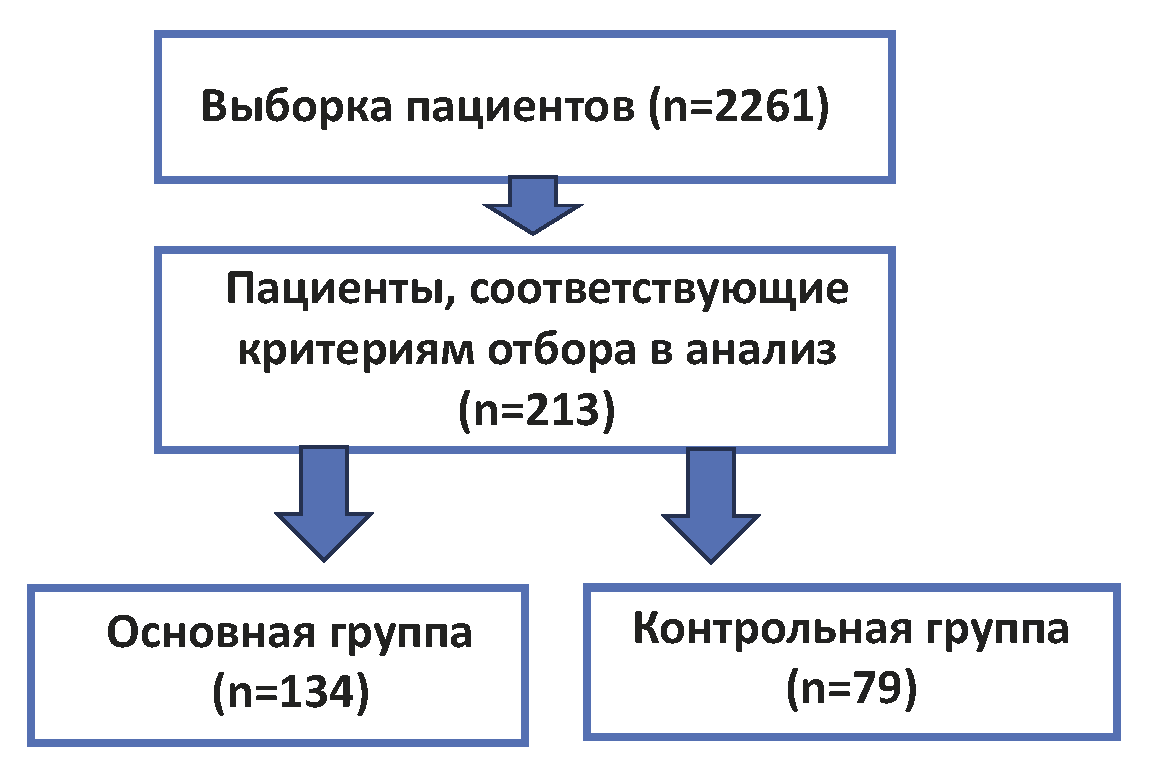
Figure 1. Distribution of patients in the study</center>
The groups were comparable in sex, baseline lung involvement (CT), and comorbidity index; however, patients in the control group were significantly older (p<0.001) and had a lower BMI (p=0.008). Detailed characteristics are presented in Table 1.
Table 1. Demographic and baseline characteristics of patients
| Characteristic | Main group (mean±SD; median [IQR]; min–max) | Control group (mean±SD; median [IQR]; min–max) | p (test) |
|---|---|---|---|
| Age (years) | 64.01±11.94; 65 [57.25–70]; 32–92 | 73.01±10.00; 74 [68–80.5]; 44–93 | <0.001, t‑test |
| BMI (kg/m²) | 32.8±5.19; 32.98 [29.45–35.66]; 17.17–55.33 | 30.89±6.17; 29.67 [26.55–35.04]; 17.3–44.17 | 0.008, Mann‑Whitney |
| Body temperature (°C) | 37.41±0.77; 37.3 [36.8–38.0]; 36.2–39.5 | 37.75±0.62; 37.8 [37.3–38.0]; 36.4–39.4 | 0.001, Mann‑Whitney |
| Respiratory rate (per min) | 19.96±2.17; 20 [18–21.75]; 16–26 | 20.87±2.43; 21 [19–22]; 16–28 | 0.012, Mann‑Whitney |
| SpO₂ (%) | 94.66; 95 [94–96]; 83–99 | 93.56; 94 [92–95]; 83–98 | <0.001, Mann‑Whitney |
| Female, n (%) | 91 (67.9%) | 55 (69.6%) | 0.879, Fisher |
| Male, n (%) | 43 (32.1%) | 24 (30.4%) | 0.879, Fisher |
| CT‑0, n (%) | 4 (3%) | 1 (1.3%) | 0.25, Fisher |
| CT‑1, n (%) | 47 (35.1%) | 28 (35.4%) | 0.25, Fisher |
| CT‑2, n (%) | 75 (56%) | 39 (49.4%) | 0.25, Fisher |
| CT‑3, n (%) | 8 (6%) | 10 (12.7%) | 0.25, Fisher |
| CT‑4, n (%) | 0 | 1 (1.3%) | 0.25, Fisher |
Notes: SD, standard deviation; IQR, interquartile range. Statistically significant differences are shown in bold.
At admission, the groups were comparable in major laboratory parameters (leukocytes, lymphocytes, CRP, ferritin, D‑dimer, fibrinogen, procalcitonin, IL‑6; p>0.05). The only exception was lactate level, which was significantly higher in the control group (447 vs. 425 U/L; p=0.015, Mann‑Whitney U‑test).
Comparative analysis of outcomes demonstrated a statistically significant advantage of olokizumab therapy. The main group showed a 6‑fold reduction in mortality (p<0.001) and a 3‑fold reduction in ICU transfer rate (p<0.001). Although the frequency of MV requirement did not differ between groups, the duration of respiratory support in patients receiving olokizumab was significantly shorter (p=0.005). Detailed data are presented in Table 2.
Table 2. Clinical outcomes in patient subgroups
| Outcome | Main group (n=134) | Control group (n=79) | p |
|---|---|---|---|
| Mortality, n (%) | 9 (6.7%) | 31 (39.2%) | <0.001 ¹ |
| ICU transfer, n (%) | 21 (15.7%) | 42 (53.2%) | <0.001 ¹ |
| Need for MV, n (%) | 120 (89.6%) | 67 (84.8%) | 0.386 ¹ |
| MV duration, days, median [Q1; Q3] | 8 [6.8–12.3] | 13 [7–17] | 0.005 ² |
| ICU stay, days, median [Q1; Q3] | 9 [5–10] | 6.5 [3–10] | 0.338 ² |
| Total hospital stay, days, median [Q1; Q3] | 11 [8–15] | 13 [10–16] | 0.087 ² |
Notes: ¹ Fisher’s exact test; ² Mann‑Whitney U‑test; Q1 – lower quartile (25%), Q3 – upper quartile (75%). Statistically significant differences are shown in bold.
Survival analysis (Kaplan–Meier method) confirmed that olokizumab therapy significantly reduced the time to discharge (p=0.0014, log‑rank test): median hospitalisation was 11 days vs. 15 days in the control group (Fig. 2).
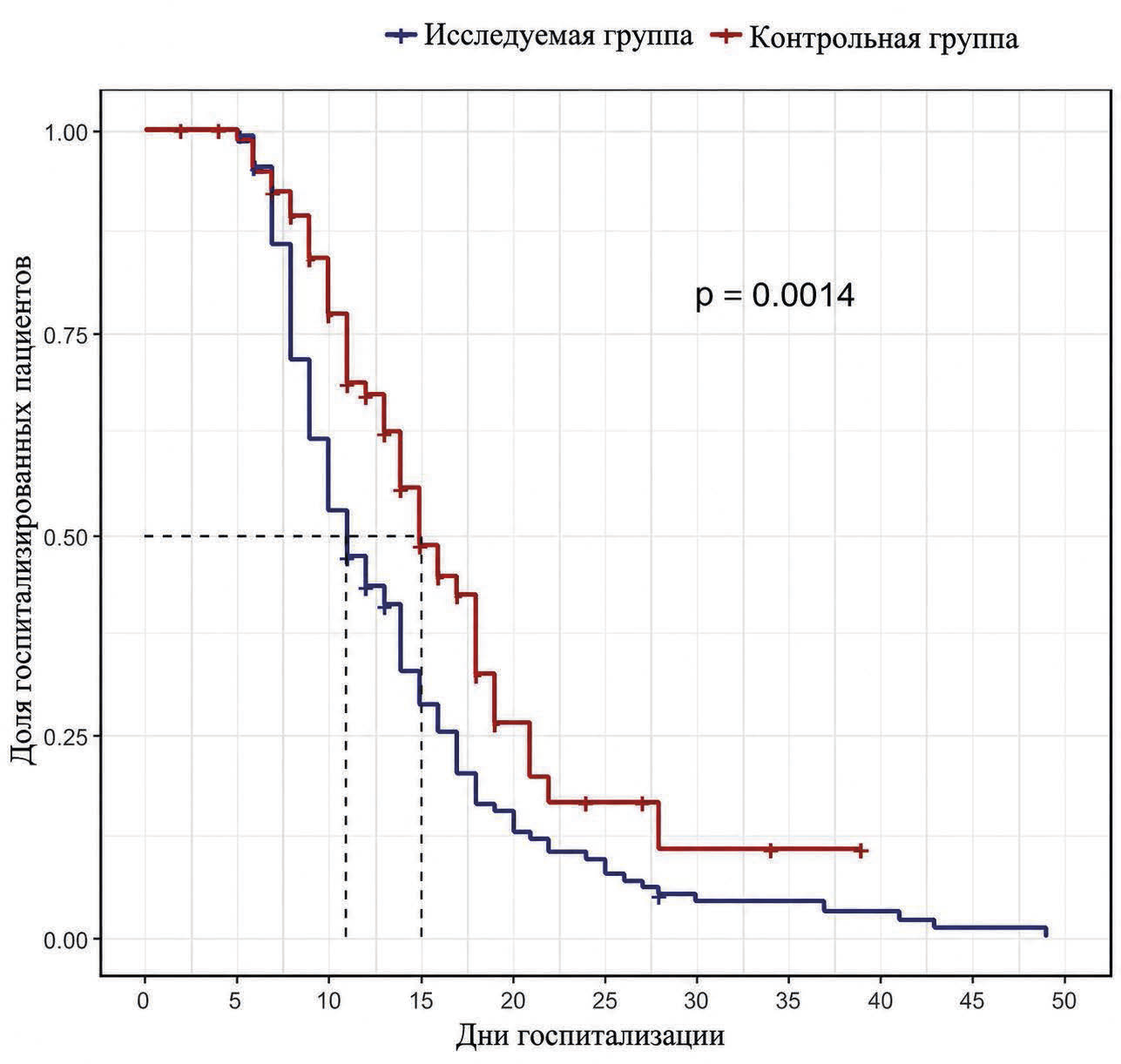
Figure 2. Kaplan–Meier curves illustrating the duration of hospitalisation in patients with COVID‑19 and high Charlson comorbidity index (CCI ≥3) in the compared groups
The survival analysis also showed that olokizumab therapy significantly accelerated MV weaning (p<0.0001, log‑rank test). The median duration in the main group was 8 days versus 17 days in the control group (Fig. 3).
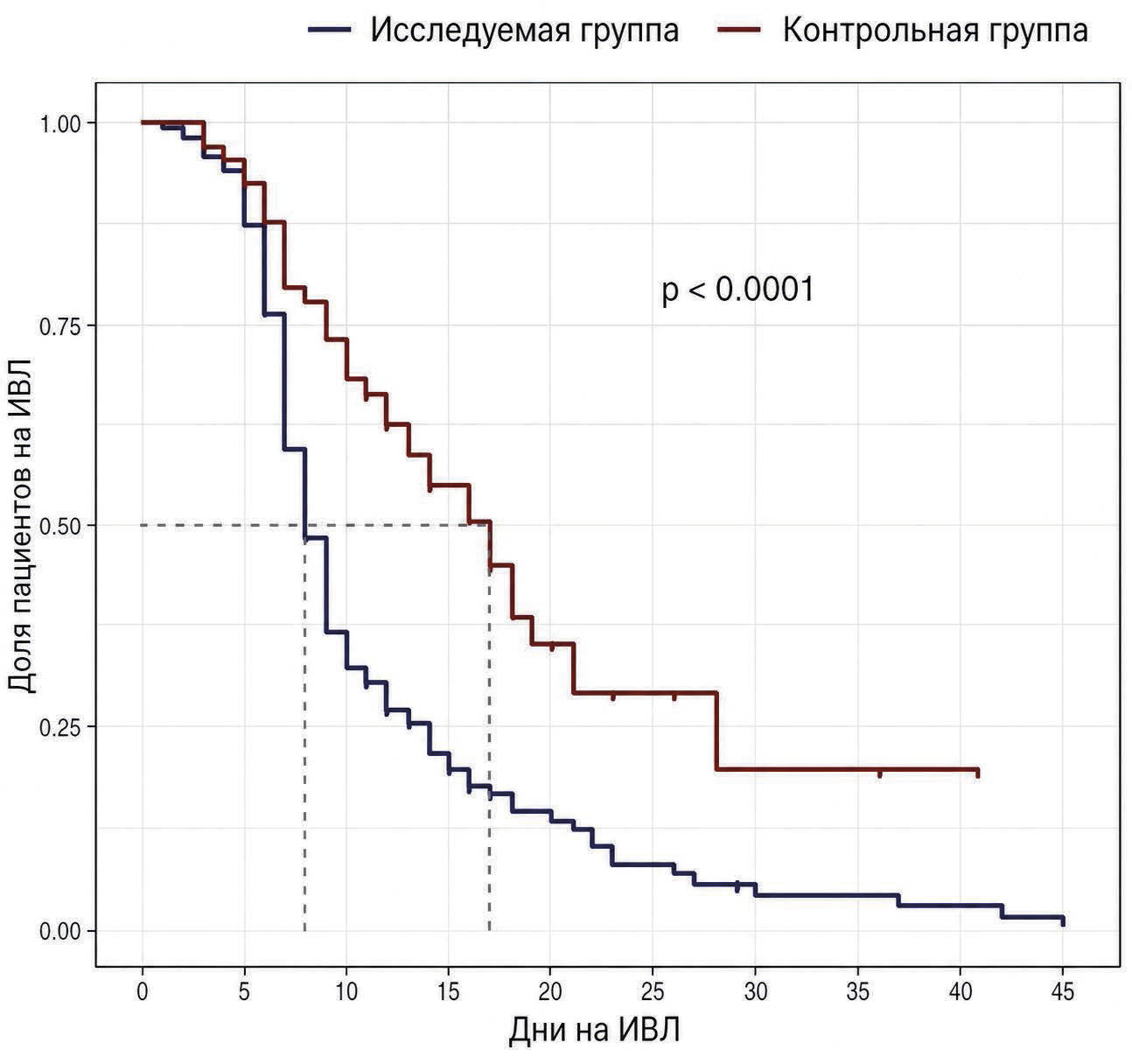
Figure 3. Kaplan–Meier curves reflecting the duration of mechanical ventilation in patients with COVID‑19 and Charlson comorbidity index (CCI ≥3)
According to the Cox regression analysis (Table 3), the addition of olokizumab was an independent predictor of earlier MV weaning, increasing the likelihood of this event by 2‑fold (HR=2.00; p<0.001). Patient age, in contrast, had a negative effect: each additional year of life reduced the chance of MV weaning by 2% (HR=0.98; p=0.017). The influence of sex, BMI, and comorbidity index did not reach statistical significance.
Table 3. Results of multivariable analysis of factors affecting the duration of mechanical ventilation using the Cox regression model
| Variable | Category / unit | HR (95% CI) | p‑value |
|---|---|---|---|
| Therapy | Main group | 2.00 (1.33–3.01) | <0.001 |
| Control group | 1.00 (ref.) | – | |
| Sex | Male | 0.91 (0.63–1.31) | 0.603 |
| Age | per 1 year | 0.98 (0.96–1.00) | 0.017 |
| Body mass index | per 1 kg/m² | 0.98 (0.95–1.01) | 0.295 |
| Charlson comorbidity index | per 1 point | 0.88 (0.70–1.12) | 0.302 |
Addition of olokizumab to therapy was associated with a 61% increase in the probability of earlier discharge (HR=1.61; p=0.013), independent of other factors. Demographic and laboratory parameters (age, sex, CRP, lymphocytes) did not significantly affect the length of hospital stay (Table 4).
Table 4. Results of multivariable regression analysis (Cox model) of factors influencing the length of hospitalisation in patients
| Factor | Category / unit | HR (95% CI) | p‑value |
|---|---|---|---|
| Therapy | Main group | 1.61 (1.11–2.35) | 0.013 |
| Control group | 1.00 (ref.) | – | |
| Age | per 1 year | 0.99 (0.98–1.01) | 0.324 |
| Sex | Male | 0.95 (0.66–1.36) | 0.766 |
| BMI | per 1 kg/m² | 1.00 (0.97–1.03) | 0.902 |
| C‑reactive protein | per 1 mg/L | 1.00 (0.99–1.00) | 0.302 |
| Lymphocytes | per 10⁹/L | 1.04 (0.79–1.38) | 0.761 |
| Leukocytes | per 10⁹/L | 0.97 (0.91–1.03) | 0.294 |
Notes: HR – hazard ratio; CI – confidence interval; statistically significant p‑values are shown in bold.
Logistic regression identified two independent risk factors: absence of olokizumab therapy increased the risk of ICU transfer 6‑fold (OR=6.17; p<0.001), and each additional point on the comorbidity scale increased the risk by 1.7 times (OR=1.71; p=0.004) (Table 5).
Table 5. Analysis of predictors of ICU transfer based on logistic regression results
| Variable | Category / unit | OR (95% CI) | p‑value |
|---|---|---|---|
| Therapy | Control group | 6.17 (3.04–13.06) | <0.001 |
| Main group | 1.00 (ref.) | – | |
| Charlson comorbidity index | per 1 point | 1.71 (1.19–2.48) | 0.004 |
| Age | per 1 year | 1.03 (0.99–1.06) | 0.123 |
| BMI | per 1 kg/m² | 1.05 (0.99–1.12) | 0.101 |
| Sex | Male | 1.22 (0.57–2.55) | 0.608 |
Notes: OR – odds ratio; CI – confidence interval; statistically significant p‑values are shown in bold.
The predictive performance of the model was assessed by the ROC curve (AUC=0.78), with sensitivity 76% and specificity 69% (Fig. 4).
Lack of olokizumab therapy was associated with an almost 11‑fold increase in the risk of death (OR=10.77; p<0.001). Also significant risk factors were age, comorbidity index (2‑fold increase in risk per point), and BMI. Laboratory markers and sex did not significantly affect survival (Table 6).
The model demonstrates high classification quality (sensitivity 82%, specificity 92%), as shown in Fig. 5.
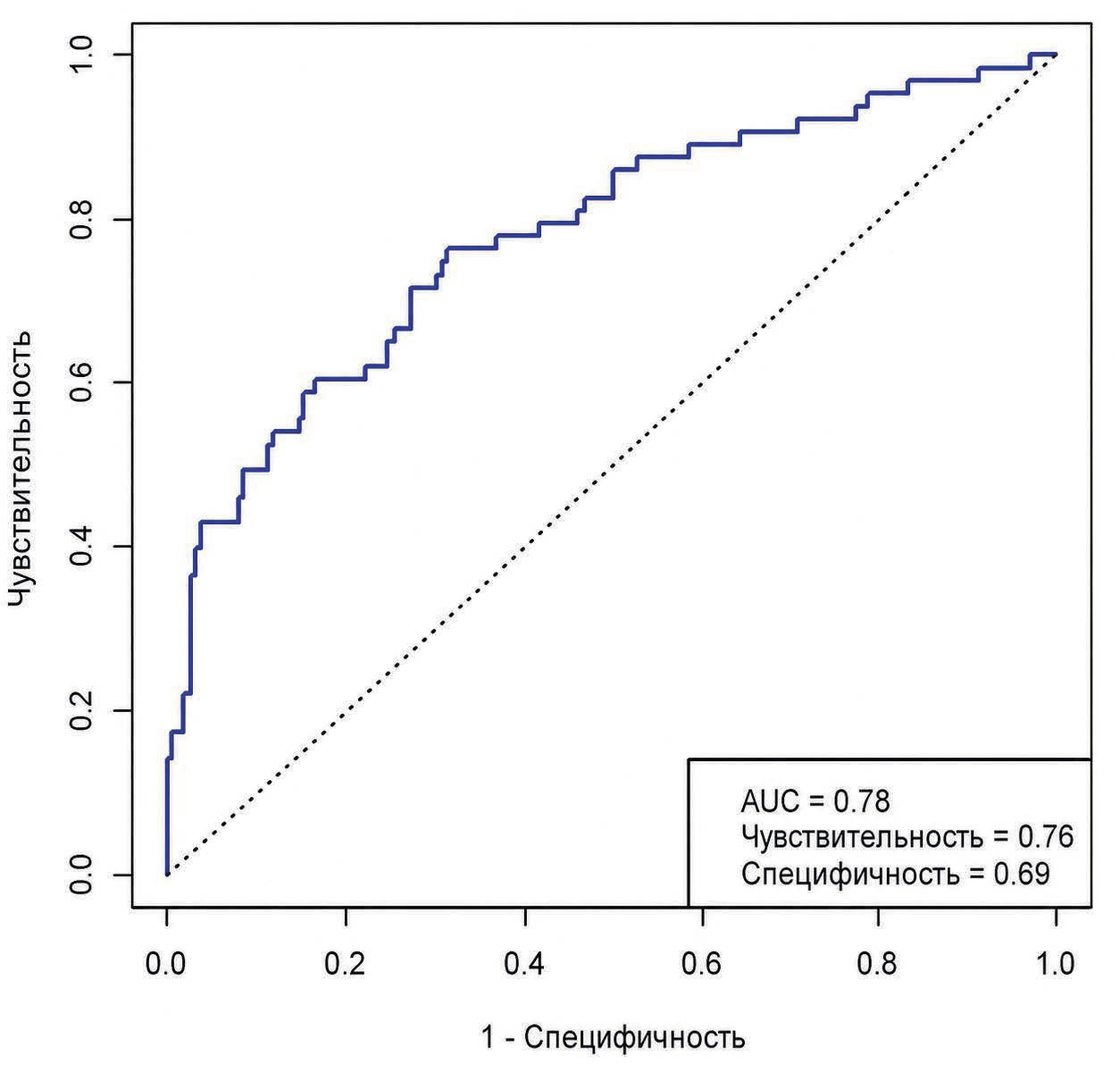
Figure 4. ROC curve of the prognostic model for ICU transfer. Sensitivity – 76%, specificity – 69%.
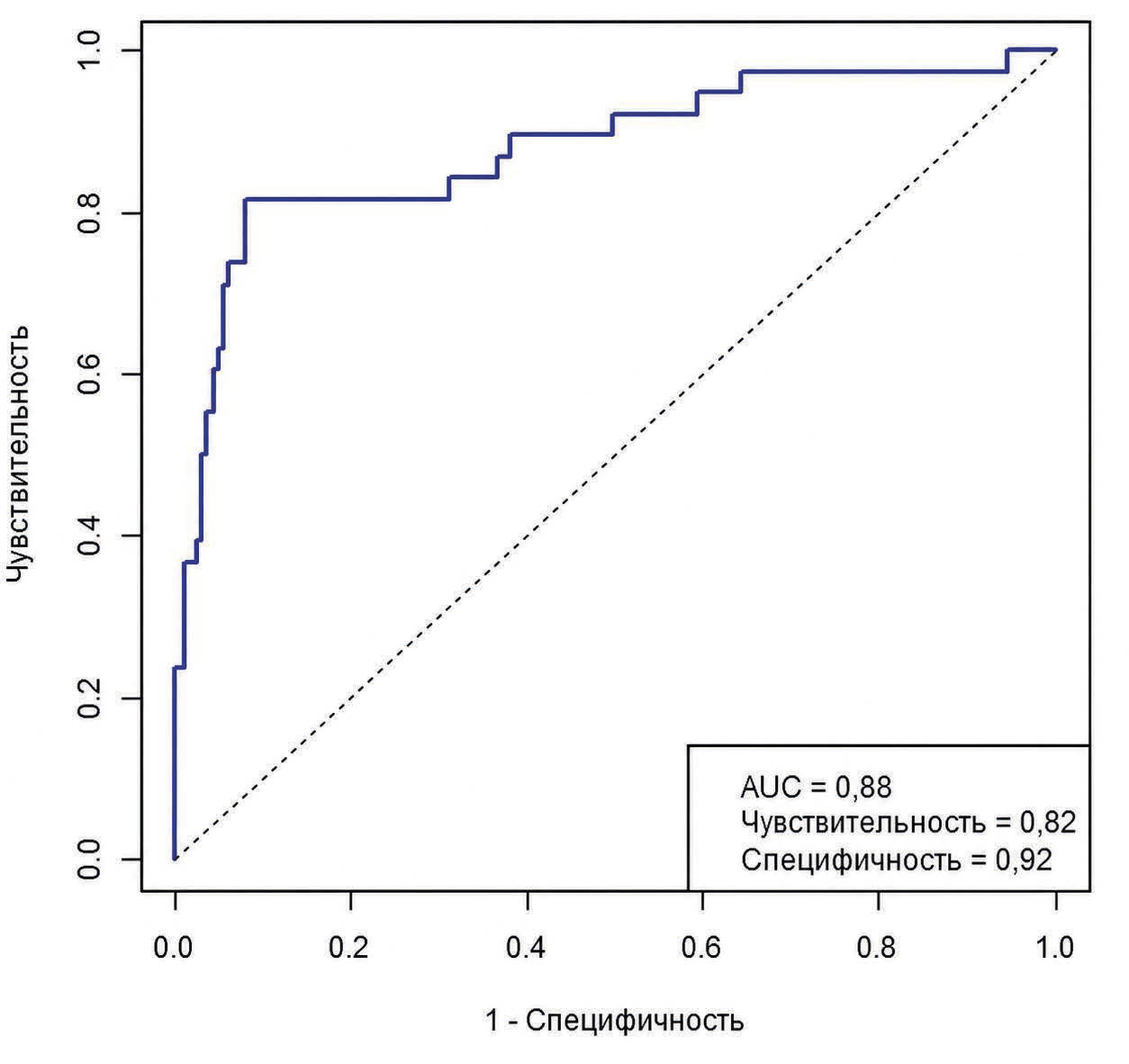
Figure 5. ROC curve of the prognostic model for mortality.
Table 6. Analysis of factors associated with death according to the logistic regression model
| Factor | Category / unit | OR (95% CI) | p‑value |
|---|---|---|---|
| Therapy | Control group | 10.77 (3.88–34.54) | <0.001 |
| Main group | 1.00 (ref.) | – | |
| Charlson comorbidity index | per 1 point | 2.03 (1.30–3.32) | 0.003 |
| Age | per 1 year | 1.07 (1.02–1.13) | 0.009 |
| BMI | per 1 kg/m² | 1.10 (1.02–1.20) | 0.018 |
| Sex | Male | 0.97 (0.32–2.78) | 0.960 |
| Leukocytes | per 10⁹/L | 1.13 (0.98–1.33) | 0.122 |
| Lymphocytes | per 10⁹/L | 0.47 (0.19–1.14) | 0.102 |
| C‑reactive protein | per 1 mg/L | 1.01 (1.00–1.02) | 0.100 |
Notes: OR – odds ratio; CI – confidence interval; statistically significant p‑values are shown in bold.
Our study confirmed the high efficacy of olokizumab in patients with high comorbidity (CCI ≥3). Therapy significantly reduced mortality, the need for MV, and the rate of ICU transfer. These findings are consistent with results from large international studies of IL‑6 inhibitors, where early administration of drugs in this class led to reduced mortality (27% vs. 36% in controls) and improved prognosis, especially in individuals with concomitant diseases [17–19]. Russian studies also note the effectiveness of olokizumab, indicating rapid clinical response, reduction in inflammatory markers (CRP), and a significant decrease in the frequency of unfavourable outcomes [20].
It is important to emphasise that olokizumab has a unique mechanism of IL‑6 binding, which may theoretically contribute to more pronounced suppression of the cytokine storm [21].
Direct inhibition of IL‑6 allows a reduction in the level of free pro‑inflammatory cytokine in the blood, whereas IL‑6 receptor inhibitors (IL‑6R) lead to a multiple increase in its serum concentration [22]. Comparative analysis has shown that different mechanisms of blocking the IL‑6 signalling pathway lead to different changes in the T‑cell component of immunity. Given the central role of IL‑6 in the cascade of cytokine storm development in COVID‑19, the ability of olokizumab to directly bind and neutralise circulating IL‑6 may provide more effective suppression of the inflammatory cascade [23, 24]. This may partly explain the favourable clinical effects demonstrated in this study, including reduced mortality and the need for respiratory support in patients with high comorbidity burden.
Despite the conflicting data from some studies, meta‑analyses attribute the variability of the effect to heterogeneity of patient populations and timing of therapy. The current view emphasises the need for early, personalised administration of IL‑6 inhibitors, specifically in high‑risk groups, which is confirmed by our results in patients with CCI ≥3 [19, 25].
Thus, this real‑world clinical practice study confirms the advantages of including olokizumab in the treatment regimens for COVID‑19 in comorbid patients [26]. The reduction in the risk of critical outcomes justifies the appropriateness of early pathogenetic therapy in this population and dictates the need for further prospective studies to refine the efficacy profile.
The inclusion of olokizumab in the management protocols for COVID‑19 patients in multidisciplinary and infectious disease hospitals may contribute to reducing the duration of MV and ICU stay, thereby decreasing the burden on intensive care units and reducing the costs of managing such patients. The expected reduction in MV duration by more than 2‑fold (from 17 to 8 days) will free up respiratory equipment resources for other purposes, while the 37.5% reduction in ICU transfers will optimise the use of limited intensive care bed capacity during epidemic surges.
The present study has a retrospective design and relies on medical record data, which reduces the degree of control over potential confounding factors. The study included patients from different hospitals, which increases the external validity of the results, but differences between centres in diagnostic and therapeutic approaches may have additionally influenced the outcomes obtained.
In hospitalised patients with moderate COVID‑19 and significant comorbidity, the addition of olokizumab to standard therapy is associated with a significant reduction in in‑hospital mortality, ICU transfer rate, and duration of mechanical ventilation, and it shortens the overall length of hospital stay. These findings support the use of olokizumab as a pre‑emptive anti‑inflammatory strategy in this high‑risk population.
1. Sharipova M.M., Ivkina M.V., Arkhangelskaia A.N., et al. Features of the course of COVID-19 in patients with comorbid pathology. Meditsinskiy Sovet. 2022;16(6):44-49. (In Russ.). DOI: 10.21518/2079-701X-2022-16-6-44-49 EDN: RSITDA
2. Drapkina OM, Kontsevaya AV, Kalinina AM, et al. Comorbidity of patients with noncommunicable diseases in general practice. Eurasian guidelines. Cardiovascular Therapy and Prevention. 2024;23(3):3996. (In Russ.). DOI: 10.15829/1728-8800-2024-3996 EDN: AVZLPJ
3. Kabaeva EN, Yakushin MA, Vorobeva AV, et al. Epidemiological Specificity оf COVID-19 Comorbidity. City Healthcare. 2023;4(4):15-22. (In Russ.)/ DOI: 10.47619/2713-2617.zm.2023.v.4i4-15-22 EDN: IFVFNG
4. Kalashnikov E.S., Shapovalova M.A., Polunina E.A. Komorbidnyy fon kak faktor riska neblagopriyatnogo iskhoda pri COVID-19. Journal of New Medical Technologies. 2024;1:33-36 (In Russ.). DOI: 10.24412/1609-2163-2024-1-33-36 EDN: LNVCRG
5. Tuty Kuswardhani RA, Henrina J, Pranata R, et al. Charlson comorbidity index and a composite of poor outcomes in COVID-19 patients: A systematic review and meta-analysis. Diabetes Metab Syndr. 2020;14(6):2103-2109. DOI: 10.1016/j.dsx.2020.10.022
6. Nasonov E, Samsonov M. The role of Interleukin 6 inhibitors in therapy of severe COVID-19. Biomed Pharmacother. 2020;131:110698. DOI: 10.1016/j.biopha.2020.110698
7. Di Salvo E, Di Gioacchino M, Tonacci A, et al. Alarmins, COVID-19 and comorbidities. Ann Med. 2021;53(1):777-785. DOI: 10.1080/07853890.2021.1921252
8. Almada L, Angiolini SC, Dho ND, et al. Different cytokine and chemokine profiles in hospitalized patients with COVID-19 during the first and second outbreaks from Argentina show no association with clinical comorbidities. Front Immunol. 2023;14:1111797. DOI: 10.3389/fimmu.2023.1111797
9. Zyryanov SK, Butranova OI, Abramova AA. Efficacy of interleukin-6 inhibitors as a tool for preventive anti-inflammatory therapy for COVID-19. Kachestvennaya Klinicheskaya Praktika=Good Clinical Practice. 2024;(1):4-16. (In Russ.). DOI: 10.37489/2588-0519-2024-1-4-16 EDN: DSVZBR
10. Lomakin NV, Bakirov BA, Musaev GKh, et al. Clinical efficacy of interleukin-6 receptor inhibition in COVID-19 with levilimab and prospects for its use in cytokine release syndrome of other etiology. BIOpreparaty. Profilaktika, diagnostika, lechenie. 2022;22(4): 446-459. (In Russ.). DOI: 10.30895/2221-996X-2022-22-4-446-459 EDN: AQPNVQ
11. Gupta S, Wang W, Hayek SS, et al. Association Between Early Treatment With Tocilizumab and Mortality Among Critically Ill Patients With COVID-19. JAMA Intern Med. 2021;181(1):41-51. DOI: 10.1001/jamainternmed.2020.6252
12. Demko IV, Gordeeva NV, Kraposhina AYu, et al. Efficacy of interleukin-6 blockers in the treatment of new coronavirus infection. Prakticheskaya pulmonologiya. 2023;(1):44-50. (In Russ.). DOI: 10.24412/2409-6636-2023-12860
13. Fomina DS, Andreev SS, Andrenova GV, et al. Efficacy of olokizumab therapy in patients with mild or moderate COVID-19 with risk factors for progression. Pulmonologiya. 2023;33(5):623-632. (In Russ.). DOI: 10.18093/0869-0189-2023-33-5-623-632 EDN: ADRCLK
14. Goma TV, Kalyagin AN, Ryzhkova OV, at al. Efficacy of olocizumab in treatment of COVID-19 patients. Acta Biomedica Scientifica. 2022;7(5-2):86-95. (In Russ.). DOI: 10.29413/ABS.2022-7.5-2.9 EDN: OTXFRD
15. Antonov VN, Ignatova GL, Pribytkova OV, et al. Experience of olokizumab use in COVID-19 patients. Terapevticheskii Arkhiv. 2020;92(12):148-154. (In Russ.). DOI: 10.26442/00403660.2020.12.200522 EDN: DVKXDJ
16. Charlson ME, Pompei P, Ales KL, et al. A new method of classifying prognostic comorbidity in longitudinal studies: development and validation. J Chronic Dis. 1987;40(5):373-383. DOI: 10.1016/0021-9681(87)90171-8
17. Sarhan RM, Madney YM, Abou Warda AE, et al. Therapeutic efficacy, mechanical ventilation, length of hospital stay, and mortality rate in severe COVID-19 patients treated with tocilizumab. Int J Clin Pract. 2021;75(6):e14079. DOI: 10.1111/ijcp.14079
18. REMAP-CAP Investigators, Gordon AC, Mouncey PR, et al. Interleukin-6 Receptor Antagonists in Critically Ill Patients with Covid-19. N Engl J Med. 2021;384(16):1491-1502. DOI: 10.1056/NEJMoa2100433
19. WHO Rapid Evidence Appraisal for COVID-19 Therapies (REACT) Working Group, Shankar-Hari M, Vale CL, et al. Association Between Administration of IL-6 Antagonists and Mortality Among Patients Hospitalized for COVID-19: A Meta-analysis. JAMA. 2021;326(6):499-518. DOI: 10.1001/jama.2021.11330
20. Novikov P, Brovko M, Akulkina L, et al. Efficacy and safety of olokizumab, interleukin-6 inhibitor, in hospitalized patients with COVID-19. Klinicheskaya farmakologiya i terapiya. 2022;32(2):51-56. (In Russ.). DOI: 10.32756/0869-5490-2022-2-51-56 EDN: UCHWCU
21. Shesternya PA, Zagrebneva AI, Antipova OV, et al. Use of the direct interleukin 6 inhibitor olokizumab in the treatment of rheumatoid arthritis: real-world clinical practice data. Sovremennaya Revmatologiya. 2025;19(2):39-49. (In Russ.). DOI: 10.14412/1996-7012-2025-2-39-49 EDN: LDOYGO
22. Liang P, Li Y, Meng L, et al. Prognostic significance of serum interleukin-6 in severe/critical COVID-19 patients treated with tocilizumab: a detailed observational study analysis. Sci Rep. 2024;14(1):29634. DOI: 10.1038/s41598-024-81028-3
23. Yang L, Xie X, Tu Z, et al. The signal pathways and treatment of cytokine storm in COVID-19. Signal Transduct Target Ther. 2021;6(1):255. DOI: 10.1038/s41392-021-00679-0
24. Speake C, Habib T, Lambert K, et al. IL-6-targeted therapies to block the cytokine or its receptor drive distinct alterations in T cell function. JCI Insight. 2022;7(22):e159436. DOI: 10.1172/jci.insight.159436
25. Salama C, Han J, Yau L, et al. Tocilizumab in Patients Hospitalized with Covid-19 Pneumonia. N Engl J Med. 2021;384(16):1503-1516. DOI: 10.1056/NEJMoa2030340
26. Topolyanskaya SV, Rachina SA, Lytkina KA, et al. Interleukin-6 inhibitor olokizumab in hospitalized adults with moderate COVID-19: results of a single-center observational study. West Kazakhstan Medical Journal. 2024;66(4):453-459. DOI: 10.18502/wkmj.v66i4.17780
Anna A. Abramova — Postgraduate Student, Assistant Professor, Department of General and Clinical Pharmacology
Moscow
The authors declare no conflict of interest
Sergey K. Zyryanov — Dr. Sci. (Med.), Professor, Head of the Department of General and Clinical Pharmacology; Chief Clinical Research Specialist, Department of Health
Moscow
The authors declare no conflict of interest
Abramova A.A., Zyryanov S.K. Practical experience with olokizumab in patients with COVID-19 and high comorbidity. Kachestvennaya Klinicheskaya Praktika = Good Clinical Practice. 2026;(2):52-61. (In Russ.) https://doi.org/10.37489/2588-0519-GCP-0026. EDN: HJLGKM
НАШИ КНИГИ



Другие журналы
"Издательства ОКИ"


ПАРТНЕРЫ

 Email this article (Login required)
Email the author (Login required)
Email this article (Login required)
Email the author (Login required) 121357, Moscow, st. Vatutina, 4, building 2, apt. 22
LLC Publishing House OKI
Tel. +7 (926) 568-17-35
e-mail: clinvest@mail.ru


