


Contents
Scroll to:
https://doi.org/10.37489/2588-0519-GCP-0022
EDN: HRLJJQ
Scroll to:
Glucagon-like peptide-1 agonists (aGPP-1) are used in the treatment of type 2 diabetes mellitus (DM2) and obesity.
Objective. To evaluate the dynamics of aGPP-1 consumption in the Russian Federation (RF) in the period from the moment of registration of the first aGPP-1 in 2010 to the present.
Materials and methods. Information about liraglutide, exenatide, lixisenatide, dulaglutide, semaglutide and tirzepatide sales in the period 2010–2025 in RF has been downloaded from the IQVIA database. For each of the years of observation, the consumption indicator “number of DDD per 1000 inhabitants per day” was calculated, the dynamics of consumption in each of the market segments (retail, hospital segment, preferential medical treatment) and consumption in regions of the Russian Federation were estimated.
Results. An analysis of the consumption of aGPP-1 in the RF showed that over the past 15 years, their use has increased 733 times — from 0.006 in 2010 to 4.4 DDDs per 1,000 inhabitants per day in 2025. The increase was mainly due to the consumption of semaglutide. So, in 2020, 628.1 thousand DDDs were used, up to 2025 — already 207 million DDDs (an increase of 329 times). In 2025 a double-acting drug, tirzepatide, appeared on the RF market, the consumption of which amounted to 24.5 million DDDs per year. In all the years of observation, with the exception of 2023, retail sales dominated. An analysis of regional consumption patterns (sales for 2025 were analyzed) revealed that the sales level ranged from 0.18 DDDs in the Altai Republic to 10.71 DDDs per 1,000 inhabitants per day in St. Petersburg. Overall, the top 5 regions with the highest consumption of aGPP-1 are St. Petersburg (10.71), Moscow (9.3), Moscow Region (7.42), Yamalo-Nenets Autonomous Okrug (7.35), Magadan Region (7.08 DDDs per 1,000 inhabitants per day). At the same time, retail sales dominated for all regions, with the preferential medical treatment segment accounting for 17, 11, 5, 25, and 20 %, respectively.
Conclusions. The expansion of the practice of using glucagon-like peptide-1 agonists, including at the expense of the healthcare system, can help reduce the global burden of disease and the socio-economic burden of T2DM and obesity in RF.
Gomon Yu.M., Kolbin A.S., Medvenskaya E.A., Reznik V.A. The dynamics of consumption of glucagon-like peptide-1 agonists in the Russian Federation in the period 2010-2025: a pharmacoepidemiological study. Kachestvennaya Klinicheskaya Praktika = Good Clinical Practice. 2026;(2):4-13. (In Russ.) https://doi.org/10.37489/2588-0519-GCP-0022. EDN: HRLJJQ
Currently, drugs belonging to the class of glucagon‑like peptide‑1 receptor agonists (GLP‑1 RAs) are used in clinical practice for the treatment of type 2 diabetes mellitus (T2DM) and obesity [1]. Glucagon‑like peptide‑1 is an incretin hormone produced mainly by intestinal L‑cells and some brain cells after food intake; its main functions include enhancement of glucose‑dependent insulin secretion, stimulation of insulin biosynthesis, inhibition of glucagon secretion, suppression of gastrointestinal motility, and regulation of appetite [2]. Clinically, this allows the achievement of normoglycaemia, body weight reduction, and a decrease in cardiovascular risk, making these agents not merely symptomatic therapies but disease‑modifying treatments for diabetes and obesity [3, 4]. The first GLP‑1 RA, exenatide, was approved in 2005 for the treatment of T2DM [5]. Information on GLP‑1 RAs registered in the Russian Federation is presented in Table 1.
Table 1. Glucagon‑like peptide‑1 receptor agonists registered in the Russian Federation
| INN | Year of registration by indication [6] (T2DM) | Year of registration by indication [6] (Obesity) | Year of inclusion in Russian clinical guidelines [7] (T2DM) | Year of inclusion in Russian clinical guidelines [7] (Obesity) |
|---|---|---|---|---|
| Liraglutide | 2010 | 2016 | 2015 | 2016 (adults), 2021 (children) |
| Exenatide* | 2011 | – | 2015 | – |
| Semaglutide | 2019 (injectable), 2021 (oral) | 2024 | 2019 | 2024 |
| Lixisenatide/insulin glargine | 2021 | – | 2015 | – |
| Dulaglutide | 2022 | – | 2019 | – |
| Tirzepatide | 2025 | 2025 | – | – |
Notes: * — as of January 2026, no valid registration certificate exists; INN — international nonproprietary name; T2DM — type 2 diabetes mellitus.
As can be seen from the data presented in Table 1, the future prospects for GLP‑1 RAs are associated with the expansion of their use in patients with obesity, the availability of oral formulations, and the development of fixed‑dose combinations.
Objective — to evaluate the dynamics of GLP‑1 RA consumption in the Russian Federation from the registration of the first GLP‑1 RA in 2010 to the present.
A pharmacoepidemiological study, i.e. a quantitative drug utilisation review (DUR) [8], was conducted. As the DUR unit of measurement, we used the defined daily dose (DDD) — the assumed average maintenance dose per day for a drug used for its main indication in adults [1]. Sales data for liraglutide, exenatide, lixisenatide, dulaglutide, semaglutide and tirzepatide in Russia over the period 2010–2025 were extracted from the IQVIA database (a company specialising in the collection and analysis of pharmaceutical data) [1]. The data included information on the international nonproprietary name (INN), trade names, and the number of DDDs sold per year. Several sales segments were distinguished: retail (purchases made with patients’ own funds); additional and regional drug provision (ADP/RDP) — i.e. provision of T2DM patients with medicines at the expense of the healthcare system under the Federal Target Programme “Diabetes Mellitus”; and the hospital segment.
For each year of observation, the consumption indicator “number of DDDs per 1000 inhabitants per day” was calculated, which reflects the proportion of the population receiving a given drug daily [9]. A value of 10 DDDs per 1000 inhabitants per day can be interpreted as follows: in a representative group of 1000 inhabitants, on any analysed day of the year, an average of 10 DDDs of the drug were used, meaning that 1 % (10/1000) of the population takes this drug every day throughout the year. The indicator was calculated using the following formula:
DDDs per 1000 inhabitants per day=Total annual DDDs×1000Population×365
where:
Total annual DDDs — the total number of defined daily doses sold or prescribed during the calendar year under analysis;
Population — the average (or year‑start/end) population of the region/country;
365 — the number of days in a year (for leap years, 366 is used, but 365 is commonly applied for standardisation);
Multiplication by 1000 scales the value to “per 1000 inhabitants”.
This indicator shows what fraction of the population, on average, takes the drug (or drug class) daily at a dose equivalent to one DDD. For example, a value of 10 DDDs per 1000 inhabitants per day means that on any day of the year, 1 % of the population (10 out of 1000) receives one DDD of this drug; a value of 4.4 means that daily 0.44 % of the population (4.4/1000) receives one DDD of GLP‑1 RAs.
Analysis of GLP‑1 RA consumption in the Russian Federation showed that over 15 years, their use increased 733‑fold — from 0.006 in 2010 to 4.4 DDDs per 1000 inhabitants per day in 2025 (Fig. 1).
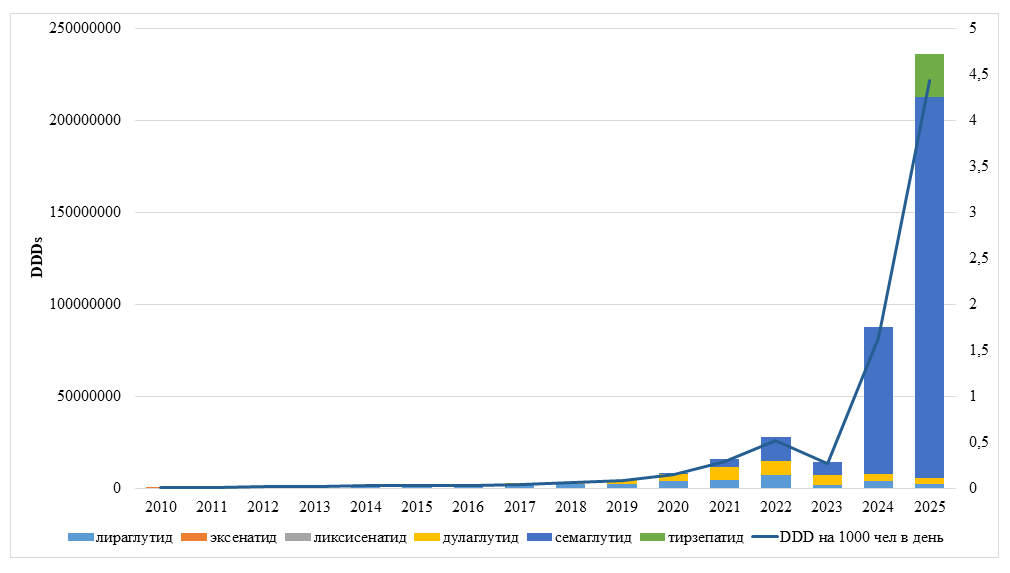
Fig. 1. Consumption of glucagon‑like peptide‑1 receptor agonists by year
As can be seen from Fig. 1, the growth was mainly driven by the consumption of semaglutide. In 2020, 628.1 thousand DDDs were used, while in 2025 this figure reached 207 million DDDs (a 329‑fold increase). In 2025, the dual‑action drug tirzepatide appeared on the Russian market, with annual consumption of 24.5 million DDDs.
As shown in Fig. 2, the predominant sales channel for liraglutide, semaglutide and tirzepatide was retail, accounting for 86 %, 89 % and 99 %, respectively. For exenatide, the retail share was equal to that of the ADP/RDP segment (44 % each), while lixisenatide and dulaglutide were mainly purchased through the healthcare budget under ADP/RDP (70 % and 56 % of sales, respectively).
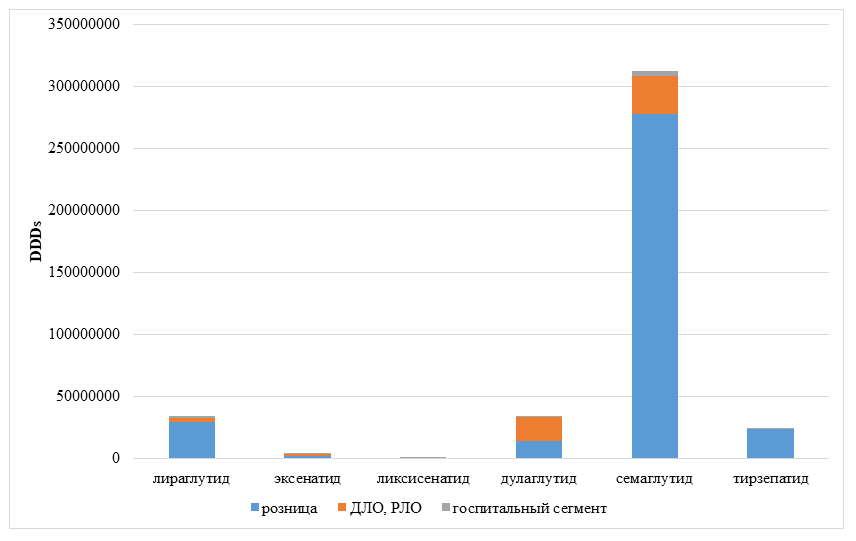
Fig. 2. Sales channels for each glucagon‑like peptide‑1 receptor agonist
Examining the market segments by year (Fig. 3, 4), it is evident that, with the exception of 2023, patients purchased drugs using their own funds. However, against the backdrop of rapid sales growth in the retail segment, the hospital share fell to 0.33 % by 2025, and the ADP/RDP share fell to 7.9 % of all DDDs, despite an absolute increase in consumption volumes in all market segments.
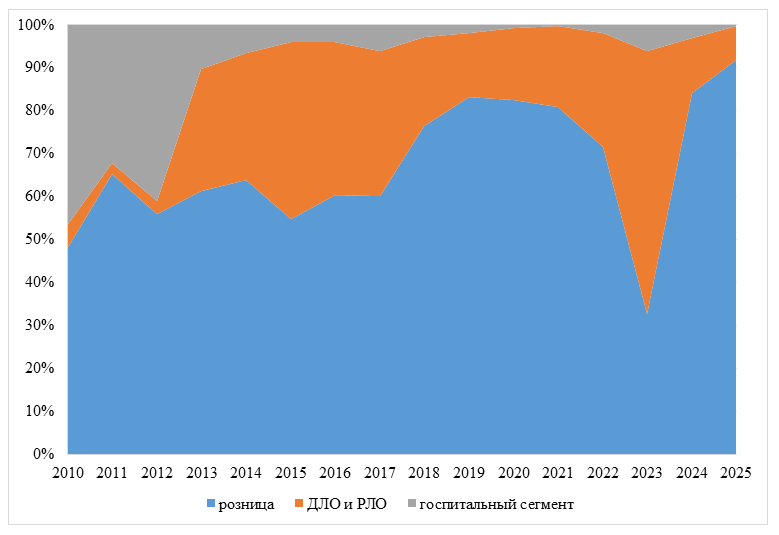
Fig. 3. Share of market segments by year
Analysis of regional consumption patterns revealed that consumption ranged from 0.18 DDDs in the Altai Republic to 10.71 DDDs per 1000 inhabitants per day in St. Petersburg. The top five regions with the highest GLP‑1 RA consumption were St. Petersburg (10.71), Moscow (9.3), the Moscow Region (7.42), the Yamalo‑Nenets Autonomous Okrug (7.35), and the Magadan Region (7.08 DDDs per 1000 inhabitants per day). In all these regions, retail sales dominated, with the ADP/RDP share accounting for 17 %, 11 %, 5 %, 25 %, and 20 %, respectively (Fig. 5).
The regions with the lowest consumption per 1000 inhabitants per day were the Altai Republic, the North Caucasus Federal District, the Republic of Tyva, the Republic of Dagestan, and the Republic of Buryatia, with consumption levels of 0.18, 0.3, 0.57, 1.17, and 1.24 DDDs per 1000 inhabitants per day, respectively. The corresponding ADP/RDP shares were 100 %, 5.7 %, 1.6 %, 10.5 %, and 29.8 %.
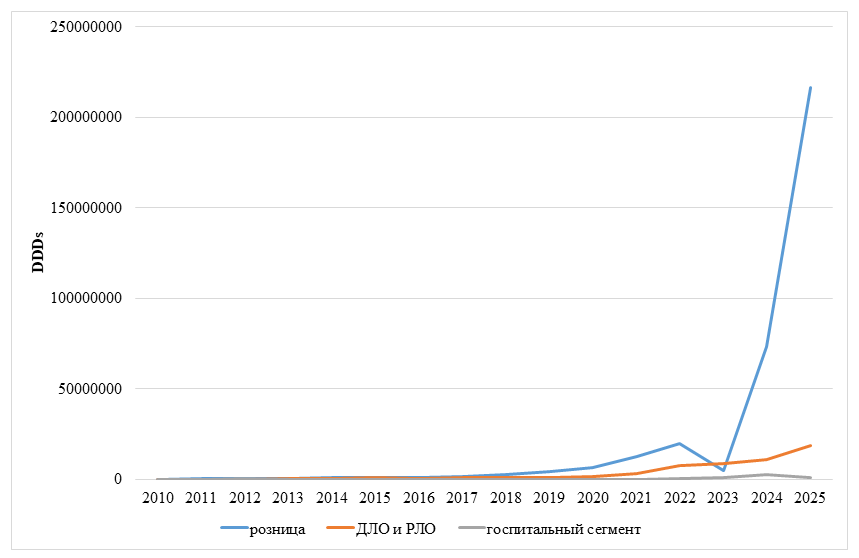
Fig. 4. Sales in individual market segments by year
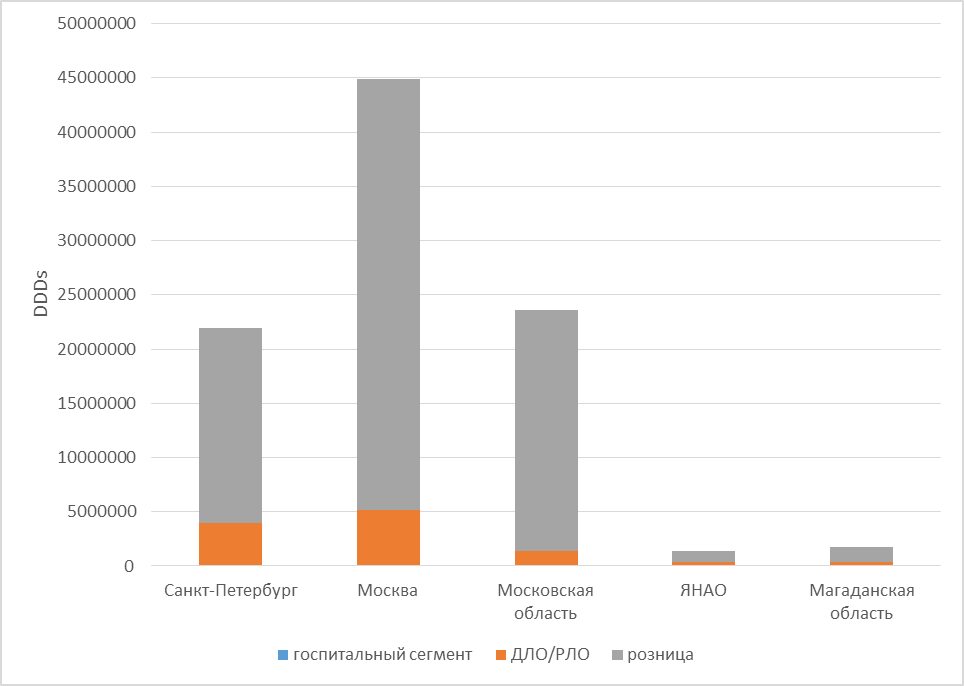
Fig. 5. Distribution of sales by market segment in the top‑5 regions – leaders in GLP‑1 RA sales, taking into account the resident population
Notes: YaNAO — Yamalo‑Nenets Autonomous Okrug; ADP/RDP — additional and preferential drug provision.
The multiple increase in GLP‑1 RA consumption in the Russian Federation observed in our study is in line with global trends [11, 12, 13, 15]. In the United States, a survey conducted in May 2024 involving 1,500 respondents showed that at the time of the survey, 6 % of the adult population were taking GLP‑1 RAs or dual‑action drugs, and another 12 % had taken them in the recent past [16]. In Denmark, the number of semaglutide users during 2019–2021 was 4 per 1000 adult person‑years, then increased, reaching a peak of 10 per 1000 adult person‑years in the first quarter of 2023 [11]. In the United Kingdom, in the first quarter of 2025, 4.9 million adults (one in ten) had either recently taken GLP‑1 RAs or dual‑action agents, or were interested in doing so in the near future [17].
Despite the growth in GLP‑1 RA consumption in Russia, the provision of T2DM patients remains low. According to data from the Federal Diabetes Registry (provided by Aston Consulting JSC) and expert opinion, the proportion of individuals receiving GLP‑1 RAs in Russia in 2022 was only 1 % [13]. According to international pharmacoepidemiological studies, the proportion of T2DM patients receiving GLP‑1 RAs during 2013–2017 ranged from 0.6 % to 10 %, increasing to up to 20 % during 2017–2020 [18]. Sociocultural factors influencing the prescribing frequency of GLP‑1 RAs have been described: the likelihood of prescribing GLP‑1 RAs is lower when the patient has a lower level of education, lower income, belongs to ethnic minorities, or is elderly or very old [19].
Beyond the low prescribing rate of GLP‑1 RAs to patients with T2DM, there is a well‑known problem of poor adherence to this therapy among patients with T2DM and obesity. In European countries, T2DM patients continuously take GLP‑1 RAs for one year in 80 % of cases, whereas in Israel and the United States this figure is only 50 % [20, 21, 22, 23]. Adherence to therapy when prescribed to patients with obesity is even lower: continuous drug intake over one year is observed in only 32–50 % of prescriptions [24, 25, 26]. Moreover, only 10 % of patients followed the recommended dose escalation of semaglutide every four weeks, and only 12 % achieved the recommended target dose of 2.4 mg, while one in three continued to take a 1.0 mg dose for a prolonged period [27].
Undoubtedly, one of the significant factors for low adherence is the high cost, making the search for strategies to overcome these limitations highly relevant.
Currently, the development of novel multi‑target agonists continues, which may potentially improve the clinical and economic efficiency of their use. In clinical practice, dual‑action drugs — the GLP‑1 and glucose‑dependent insulinotropic polypeptide (GIP) agonist tirzepatide — are already being used, which is the most effective among its predecessors in terms of body weight reduction [28]. Clinical trials of the first triple agonist (GLP‑1, GIP and glucagon) — retatrutide — are ongoing [29]. The results of the phase II trial demonstrated its high efficacy in reducing body weight: by week 48, treatment with 8 mg and 12 mg once weekly resulted in body weight reduction exceeding 25 % in 43 % and 48 % of study participants, respectively.
Alongside increased treatment efficacy, the emergence of generic (reproduced) drugs is of great importance for reducing the cost of therapy and increasing its accessibility to a broader range of patients. Our study demonstrated that the sharp rise in semaglutide consumption was partly driven by a significant decrease in its acquisition cost. The entry of new generics will certainly require a reassessment of the cost‑effectiveness of GLP‑1 RA therapy when making decisions on reimbursement of drug costs for patients with T2DM and obesity under ADP/RDP.
The high cost of GLP‑1 RAs and the issue of their reimbursement by healthcare systems, especially in patients with T2DM combined with obesity, call for economic evaluations in comparison with other medical technologies, such as bariatric surgery [30, 31, 32]. A recent cost‑effectiveness analysis conducted in Canada showed that, given the current cost and effectiveness of GLP‑1 RAs, Roux‑en‑Y gastric bypass is the most cost‑effective strategy: its incremental cost‑utility ratio (ICUR) was CAD 43 445 per QALY, while the ICUR for the most effective GLP‑1 RA in terms of weight reduction, tirzepatide, was CAD 45 708 per QALY [30]. In the United States, the most cost‑effective strategy for the treatment of grade I obesity was sleeve gastrectomy (US 4105/QALY), and for grade II/III obesity — sleeve gastrectomy (US 7821/QALY) [31]. By contrast, the cost‑effectiveness of semaglutide in patients with grade I, II and III obesity was US 508 414/QALY,US 420 483/QALY and US $ 350 637/QALY, respectively. Thus, improving the efficacy of GLP‑1 RAs and reducing their cost remain key factors determining the cost‑effectiveness and accessibility of this therapy for a wide range of patients with T2DM and obesity.
The WHO guideline on the use of GLP‑1 RAs in adults, published in December 2025, emphasises that although GLP‑1 RAs and dual GIP/GLP‑1 agonists have become promising treatments for obesity and associated diseases over the past decade, there are still substantial knowledge gaps regarding their long‑term clinical efficacy and safety [1]. A more complete understanding of these aspects will allow a more precise assessment of the risk‑benefit ratio in their use in routine clinical practice and the development of strategies for broader patient access within multimodal clinical algorithms. The latter undoubtedly requires cost‑effectiveness studies and budget impact analyses in countries with different income levels.
Consumption of glucagon‑like peptide‑1 receptor agonists in the Russian Federation over 2010–2025 increased dramatically: from 0.006 in 2010 to 4.4 DDDs per 1000 inhabitants per day in 2025 (a 733‑fold increase).
The increase was mainly driven by semaglutide consumption: 628.1 thousand DDDs were used in 2020 and 207 million DDDs in 2025 (a 329‑fold increase).
The expansion of the use of glucagon‑like peptide‑1 receptor agonists, including through public healthcare funding, may help reduce the global burden of disease and the socioeconomic burden of T2DM and obesity in Russia.
The completeness and representativeness of IQVIA data require comparative evaluation, including with individual‑level data.
Because the registered dosing regimens of GLP‑1 RAs are variable, the defined daily doses may not correspond to the actual doses used, which does not allow for a full assessment of the actual number of patients receiving this drug class. Furthermore, the calculations assume 100 % patient adherence, which, as noted above, is likely unrealistic and could have influenced the results.
Since consumption was assessed based on sales rather than at the individual level, it is not possible to estimate the proportion of T2DM patients without obesity who purchase GLP‑1 RAs at their own expense.
1. Сelletti F, Farrar J, Deregil L. World Health Organization Guideline on the Use and Indications of Glucagon-Like Peptide-1 Th erapies for the Treatment of Obesity in Adults. JAMA. 2026;335(5):434. DOI: 10.1001/jama.2025.24288 EDN: BEYTJL
2. Lin MP, Xue BJ, Bai XJ. Glucagon-like Peptide-1 Receptor Dependent Signaling in Cardiovascular Health and Disease: A Mini-review. J Cardiovasc Transl Res. 2026 Feb 22;19(1):29. DOI: 10.1007/s12265-026-10759-7
3. Galli M, Benenati S, Laudani C, et al. Cardiovascular Effects and Tolerability of GLP-1 Receptor Agonists: A Systematic Review and Meta-Analysis of 99,599 Patients. J Am Coll Cardiol. 2025 Nov 18;86(20):1805- 1819. DOI: 10.1016/j.jacc.2025.08.027 EDN: MOSNYJ
4. Mullur N, Morissette A, Morrow NM, Mulvihill EE. GLP-1 receptor agonist-based therapies and cardiovascular risk: a review of mechanisms. J Endocrinol. 2024 Sep 19;263(1):e240046. DOI: 10.1530/JOE-24-0046 EDN: LLJFNE
5. Fredrick TW, Camilleri M, Acosta A. Pharmacotherapy for Obesity: Recent Updates. Clin Pharmacol. 2025 Sep 19;17:305-327. DOI: 10.2147/CPAA.S497904 EDN: VCJYRA
6. State Register of Medicines
7. Clinical guidelines and consensus statements
8. Clinical Pharmacology: National Guidelines. Edited by V.I. Petrov, D.A. Sychev, A.L. Khokhlova. - 2nd ed., revised and enlarged. - Moscow: GEOTA-Media, 2024.-816 p.
9. WHO Collaborating Centre for Drug Statistics Methodology. https://atcddd.fhi.no/use_of_atc_ddd/use_of_atc_ddd.
10. IQVIA Россия и СНГ. https://www.iqvia.com/ru-ru/locations/russia.
11. Mailhac A, Pedersen L, Pottegård A, et al. Semaglutide (Ozempic®) Use in Denmark 2018 Th rough 2023 ‒ User Trends and off -Label Prescribing for Weight Loss. Clin Epidemiol. 2024 Apr 25;16:307-318. DOI: 10.2147/CLEP.S456170 EDN: XXRVCS
12. Suissa K, Schneeweiss S, Kim DW, Patorno E. Prescribing trends and clinical characteristics of patients starting antiobesity drugs in the United States. Diabetes Obes Metab. 2021 Jul;23(7):1542-1551. DOI: 10.1111/dom.14367 EDN: QGORJL
13. Elangovan A, Shah R, Smith ZL. Pharmacotherapy for Obesity-Trends Using a Population Level National Database. Obes Surg. 2021 Mar;31(3):1105-1112. DOI: 10.1007/s11695-020-04987-2 EDN: UMXIWY
14. Dedov I.I., Shestakova M.V., Vikulova O.K., et al. Diabetes mellitus in the Russian Federation: dynamics of epidemiological indicators according to the Federal Register of Diabetes Mellitus for the period 2010-2022. Diabetes mellitus. 2023;26(2):104-123 (In Russ.) DOI: 10.14341/DM13035 EDN: DVDJWJ
15. Ruiz PL, Karlstad Ø, Nøkleby K, et al. Pharmacological treatment of obesity in adults in Norway 2004-2022. Diabetes Obes Metab. 2024 Jun;26(6):2102-2110. DOI: 10.1111/dom.15515 EDN: CELREL
16. Poll: 1 in 8 adults say they've taken a GLP-1 drug, including 4 in 10 of those with diabetes and 1 in 4 of those with heart disease. KFF. 2024. https://www.kff.org/health-costs/press-release/poll-1-in-8-adults-saytheyve-taken-a-glp-1-drug-including-4-in-10-of-those-with-diabetesand-1-in-4-of-those-with-heart-disease.
17. Jackson SE, Brown J, Llewellyn C, et al. Prevalence of use and interest in using glucagon-like peptide-1 receptor agonists for weight loss: a population study in Great Britain. BMC Med. 2026 Jan 8;24(1):1. DOI: 10.1186/s12916-025-04528-7
18. Scheen AJ. Underuse of GLP-1 receptor agonists in the management of type 2 diabetes despite a favorable benefit-safety profile. Expert Opin Drug Saf. 2024 Jul;23(7):797-810. DOI: 10.1080/14740338.2024.2354885
19. Karagiannis T, Bekiari E, Tsapas A. Socioeconomic aspects of incretin-based therapy. Diabetologia. 2023 Oct;66(10):1859-1868. DOI: 10.1007/s00125-023-05962-z EDN: RBWOAY
20. Palanca A, Ampudia-Blasco FJ, Calderón JM, et al. Real-World Evaluation of GLP-1 Receptor Agonist Therapy Persistence, Adherence and Therapeutic Inertia Among Obese Adults with Type 2 Diabetes. Diabeteser. 2023 Apr;14(4):723-736. DOI: 10.1007/s13300-023-01382-9 EDN: FCDZTZ
21. Lassen MCH, Johansen ND, Modin D, et al. Adherence to glucagon-like peptide-1 receptor agonist treatment in type 2 diabetes mellitus: A nationwide registry study. Diabetes Obes Metab. 2024 Nov;26(11):5239- 5250. DOI: 10.1111/dom.15872 EDN: BVKNAV
22. Kassem S, Khalaila B, Stein N, et al. Efficacy, adherence and persistence of various glucagon-like peptide-1 agonists: nationwide real-life data. Diabetes Obes Metab. 2024 Oct;26(10):4646-4652. DOI: 10.1111/dom.15828 EDN: WFNTSX
23. Weiss T, Carr RD, Pal S, et al. Real-World Adherence and Discontinuation of Glucagon-Like Peptide-1 Receptor Agonists Th erapy in Type 2 Diabetes Mellitus Patients in the United States. Patient Prefer Adherence. 2020 Nov 27;14:2337-2345. DOI: 10.2147/PPA.S277676 EDN: NVTVNK
24. Do D, Lee T, Peasah SK, et al. GLP-1 Receptor Agonist Discontinuation Among Patients With Obesity and/or Type 2 Diabetes. JAMA Netw Open. 2024 May 1;7(5):e2413172. DOI: 10.1001/jamanetworkopen.2024.13172 EDN: KPITTG
25. Rodriguez PJ, Zhang V, Gratzl S, et al. Discontinuation and Reinitiation of Dual-Labeled GLP-1 Receptor Agonists Among US Adults With Overweight or Obesity. JAMA Netw Open. 2025 Jan 2;8(1):e2457349. DOI: 10.1001/jamanetworkopen.2024.57349 EDN: FCWJCZ
26. Gleason PP, Urick BY, Marshall LZ, et al. Real-world persistence and adherence to glucagon-like peptide-1 receptor agonists among obese commercially insured adults without diabetes. J Manag Care Spec Pharm. 2024 Aug;30(8):860-867. DOI: 10.18553/jmcp.2024.23332
27. Ladebo L, Ernst MT, Mailhac A, et al. Real-World Use of Semaglutide for Weight Management: Patient Characteristics and Dose Titration-A Danish Cohort Study. Diabetes Care. 2024 Oct 1;47(10):1834-1837. DOI: 10.2337/dc24-1082 EDN: XICJYY
28. Frías JP, Davies MJ, Rosenstock J, et al.; SURPASS-2 Investigators. Tirzepatide versus Semaglutide Once Weekly in Patients with Type 2 Diabetes. N Engl J Med. 2021 Aug 5;385(6):503-515. DOI: 10.1056/NEJMoa2107519 EDN: XWEMUK
29. Jastreboff AM, Kaplan LM, Frías JP, et al.; Retatrutide Phase 2 Obesity Trial Investigators. Triple-Hormone-Receptor Agonist Retatrutide for Obesity - A Phase 2 Trial. N Engl J Med. 2023 Aug 10;389(6):514-526. DOI: 10.1056/NEJMoa2301972 EDN: UBXKFC
30. Gupta N, Babyak A, Chorbajian A, et al. A cost-effectiveness analysis of behavioural, pharmacological, and surgical obesity treatments in Canada. Diabetes Obes Metab. 2025 Oct;27(10):5748-5760. DOI: 10.1111/dom.16627 EDN: NSLLPY
31. Saumoy M, Gandhi D, Buller S, et al. Cost-effectiveness of endoscopic, surgical and pharmacological obesity therapies: a microsimulation and threshold analyses. Gut. 2023 Nov 24;72(12):2250-2259. DOI: 10.1136/gutjnl-2023-330437 EDN: IAVUNJ
32. Luo WY, Adams UC, Coviello AD, et al. Costs of Cutting Weight-An Economic Evaluation of GLP-1 Agonists vs Gastric Bypass. JAMA Surg. 2025 Dec 1;160(12):1390-1392. DOI: 10.1001/jamasurg.2025.4385 EDN: JASYBN
Yulia M. Gomon — Dr. Sci. (Med.), Professor, Department of Clinical Pharmacology and Evidence-Based Medicine
Saint Petersburg
The authors declare no conflict of interest
Alexey S. Kolbin — Dr. Sci. (Med.), Professor, Head of the Department of Clinical Pharmacology and Evidence-Based Medicine; professor of the Department of Pharmacology, Medical Faculty
Saint Petersburg
The authors declare no conflict of interest
Eva A. Medvenskaya
Saint Petersburg
The authors declare no conflict of interest
Vitaly A. Reznik — Dr. Sci. (Med.), Chief Physician of the Clinic
Saint Petersburg
The authors declare no conflict of interest
Gomon Yu.M., Kolbin A.S., Medvenskaya E.A., Reznik V.A. The dynamics of consumption of glucagon-like peptide-1 agonists in the Russian Federation in the period 2010-2025: a pharmacoepidemiological study. Kachestvennaya Klinicheskaya Praktika = Good Clinical Practice. 2026;(2):4-13. (In Russ.) https://doi.org/10.37489/2588-0519-GCP-0022. EDN: HRLJJQ
НАШИ КНИГИ



Другие журналы
"Издательства ОКИ"


ПАРТНЕРЫ

 Email this article (Login required)
Email the author (Login required)
Email this article (Login required)
Email the author (Login required) 121357, Moscow, st. Vatutina, 4, building 2, apt. 22
LLC Publishing House OKI
Tel. +7 (926) 568-17-35
e-mail: clinvest@mail.ru


