


Contents
Scroll to:
https://doi.org/10.37489/2588-0519-GCP-0012
EDN: IBFBTD
Scroll to:
Relevance. Valproic acid (VPA) is widely used in pediatric practice for the treatment of epilepsy; however, it is characterized by multiple pharmacokinetic interactions. One of the clinically significant interactions is with carbapenem antibiotics, particularly meropenem, leading to a decrease in blood VPA concentration and a risk of seizure control deterioration. Data on such interactions in the pediatric population are limited, which determines the relevance of this study.
Objective. To investigate the features of concomitant use of VPA and meropenem in children, assessing the dynamics of the drug's blood concentration and the clinical manifestations of epilepsy.
Materials and methods. A retrospective analysis of two clinical cases of children receiving combined therapy with VPA and meropenem in a pediatric inpatient setting was conducted. Data from therapeutic drug monitoring (TDM) of serum VPA concentration were used, along with an assessment of the frequency and nature of epileptic seizures based on medical records.
Results. In both cases, a significant decrease in VPA concentration below the therapeutic range was noted following the administration of meropenem. The decrease in drug levels was accompanied by clinical deterioration: an increase in the frequency of convulsive seizures in the first case and the emergence of myoclonus in the second. After discontinuation of meropenem and adjustment of antiepileptic therapy, gradual normalization of the condition and restoration of therapeutic VPA concentrations were observed.
Conclusions. Concomitant use of VPA and meropenem in children leads to a significant pharmacokinetic interaction that reduces the effectiveness of antiepileptic therapy. It is recommended to avoid prescribing carbapenems to patients receiving VPA. In cases where combined therapy is necessary, regular TDM is mandatory for timely dose or treatment regimen adjustment.
Kostyleva M.N., Strok A.B., Teplova N.V., Umutkuzina D.A. Description of a clinical case series on the concomitant use of valproic acid and meropenem in children. Kachestvennaya Klinicheskaya Praktika = Good Clinical Practice. 2026;(1):23-31. (In Russ.) https://doi.org/10.37489/2588-0519-GCP-0012. EDN: IBFBTD
Valproic acid (VPA) is the most frequently used antiepileptic drug in children, but its main disadvantage is multiple pharmacological interactions. The use of therapeutic drug monitoring (TDM) in pediatric practice in the management of comorbid patients allows adjusting pharmacotherapy in accordance with recommended target blood concentrations of the drug. Cases of decreased blood VPA concentrations have been described in adult practice. In a retrospective analysis of data from hospitalized adult neurology patients receiving both VPA and meropenem (Guangzhou, China) from June 2010 to January 2019 [1], the decrease in plasma VPA concentration caused by concomitant meropenem use did not affect its antiepileptic efficacy. However, plasma VPA concentration was significantly reduced during concomitant use (24.6±4.3 μg/mL) compared to before concomitant use (88.8±13.6 μg/mL, *p* <0.0001) and partially recovered after discontinuation of concomitant use (39.8±13.2 μg/mL, *p* =0.163) with meropenem.
There are limited published data summarizing the concomitant use of meropenem and VPA in pediatric practice. For example, a search for "meropenem and valproic acid" in PubMed with an age filter from birth to 18 years as of January 20, 2026, yielded only 13 publications, of which 12 dated from 2004 to 2017 and 1 publication in the last 8 years (2025) [2].
Studies on the interaction of carbapenems with valproates in the pediatric population have reported loss of seizure control during concomitant use. Recommendations are made to avoid concomitant use of both drugs whenever possible; otherwise, VPA levels should be monitored [3].
One publication described that the interaction of VPA with carbapenems led to a decrease in serum VPA concentration; the degree of reduction was greater in patients receiving meropenem than those receiving imipenem or ertapenem. The authors concluded that since the therapeutic effect of VPA depends on its serum concentration, loss of seizure control may occur in patients receiving VPA concurrently with carbapenem antibiotics [4]. Clinical cases of meropenem-VPA interaction in two children aged 1 and 5 years in Chile have been described [5]. The authors noted slow recovery of target VPA blood levels (only after 48 days following discontinuation of meropenem after 21 days of administration without increasing the VPA dose in one case, and recovery of target VPA levels 7 days after meropenem discontinuation with an increase in the daily VPA dose).
The decrease in valproate concentrations with meropenem administration is well described in the medical literature and is associated with a significant risk of therapeutic failure [6, 7]. The U.S. Food and Drug Administration (FDA) first warned of this interaction in February 2001, and published cases prove that it is definitive and clinically significant.
In a study by Spriet et al. (2007), the interaction of meropenem and VPA was studied in 39 patients (including children aged 5 years and older and adults) [7]. All patients had a clinically significant decrease in blood VPA levels. The mean reduction in plasma VPA concentration was 66%. The authors concluded that concomitant use of meropenem with VPA may lead to worsening of seizure control and should be avoided.
Objective: To study the concomitant use of meropenem and VPA in children, taking into account therapeutic drug monitoring and the dynamics of clinical symptoms.
To investigate the time of onset and clinical manifestations of VPA concentration decline in pediatric patients with or without concomitant carbapenem antibiotics, a retrospective analysis of TDM data was performed. Two cases were reviewed in which clinical pharmacologists were consulted by pediatric ward physicians regarding therapy adjustment, and in which a decrease in serum VPA concentration was noted after concomitant use of meropenem with VPA. The dynamics of the number of epileptic seizures per day were assessed separately from the patients' medical records.
A 5‑year‑old boy was admitted to the hospital on December 9, 2021, with a diagnosis of cerebral palsy, spastic form, GMFCS (Gross Motor Function Classification System) level III. Concomitant diagnosis: epilepsy, presumably structural, with multifocal onset, with motor bilateral tonic‑clonic seizures with impaired consciousness. Continuous spike‑and‑wave activity during slow‑wave sleep (CSWS pattern (continuous spikes and waves during slow sleep), ESES (electrical status epilepticus during sleep)). Convergent concomitant strabismus. Astigmatism.
Since the age of 1 year, he had received combination anticonvulsant therapy. The therapy selection included VPA, levetiracetam, ethosuximide, and clonazepam. Ethosuximide was discontinued due to headaches and dyspeptic symptoms attributed to ethosuximide. The medical history also noted moderate thrombocytopenia (160 × 10⁹/L), probably related to valproic acid intake. On admission to the hospital, he was receiving VPA as extended‑release granules 250 mg in the morning, 500 mg in the evening, and clonazepam 0.5 mg twice daily. Epileptic seizures persisted despite pharmacotherapy (bilateral tonic‑clonic or right‑sided motor clonic seizures with rightward eye deviation), and he was admitted to the hospital for adjustment of antiepileptic therapy.
In the hospital, therapy with valproic acid (750 mg/day) and clonazepam (1 mg/day) was continued during the evaluation period. From day 5 of hospitalization (December 13, 2021), lamotrigine was added (12.5 mg/day with gradual increase to 25 mg/day); from December 19, 2021, the dose of clonazepam was reduced from 0.5 mg twice daily to 0.25 mg twice daily. On day 15 of hospitalization (from December 23, 2021), the child was transferred to an infection‑isolation unit due to a temperature rise to 40 °C and a papulovesicular rash on the skin of the legs, anterior abdominal wall, and arms. Polymerase chain reaction of epithelial cells from the oropharynx and nasopharynx detected rhinovirus; no novel coronavirus infection was found. Given the rash, it was decided to discontinue lamotrigine. The literature indicates that concomitant use of lamotrigine with valproic acid significantly increases its plasma concentration and the risk of potentially serious and life‑threatening lamotrigine‑induced rash, including Stevens–Johnson syndrome and toxic epidermal necrolysis [8]. The mechanism of interaction is that VPA inhibits lamotrigine glucuronidation. Pharmacokinetic data show that VPA can more than double the half‑life of lamotrigine, regardless of whether it is given with enzyme‑inducing antiepileptic drugs such as carbamazepine, phenytoin, and phenobarbital, or without them [9].
On day 21 of hospitalization (December 29, 2021), the rash had decreased and changed in appearance, but lethargy, refusal of food and fluids, and signs of hypovolemia persisted. Due to recurrent tonic seizures with an episode of apnea accompanied by oxygen desaturation, the patient was transferred from the infection‑isolation unit to the intensive care unit (ICU). On day 22 (December 30, 2021), tonic seizures lasting up to 2 minutes occurred, all self‑limited, against a background of fever ranging from 37.2 to 38.4 °C. The rash had almost completely resolved. In the ICU, he received intravenous fluids, antihistamines, and symptomatic therapy. To rule out neuroinfection, a lumbar puncture was performed on December 30, 2021, and cerebrospinal fluid analysis showed no evidence of neuroinfection. On December 30, 2021, chest radiography revealed right upper lobe aspiration pneumonia with an atelectatic component. Empiric antibacterial therapy with meropenem 400 mg three times daily intravenously was prescribed from December 31, 2021, to January 12, 2022. During the ICU stay, therapeutic bronchoscopy was performed three times.
TDM of blood VPA concentration on January 12, 2022, revealed extremely low values (Fig. 1). Initial plasma VPA concentrations were within the recommended range (above 40 μg/mL). During combined therapy with meropenem and VPA, plasma VPA concentration fell below the recommended threshold, and the number of epileptic seizures per day increased to a maximum of 6 per day (see Fig. 2), presumably due both to deterioration in the patient’s somatic status and to a decrease in blood sodium valproate concentration.
The doses of meropenem and VPA remained unchanged during the hospitalization. After consultation with a clinical pharmacologist, meropenem was discontinued on January 12, 2022. From January 13, 2022, over the next 9 days, improvement in neurological status was noted: the number of seizures decreased to 3 per day, and seizures completely stopped by the time of discharge from the hospital (March 24, 2022). The adjusted antiepileptic therapy at discharge included clonazepam 0.25 mg three times daily, valproic acid 250 mg in the morning and 500 mg in the evening, and phenobarbital 25 mg twice daily.

Fig. 1. Dynamics of changes in venous blood valproic acid concentrations (in μg/ml)
Note: The date of meropenem discontinuation, January 12, 2022, is marked with an arrow.
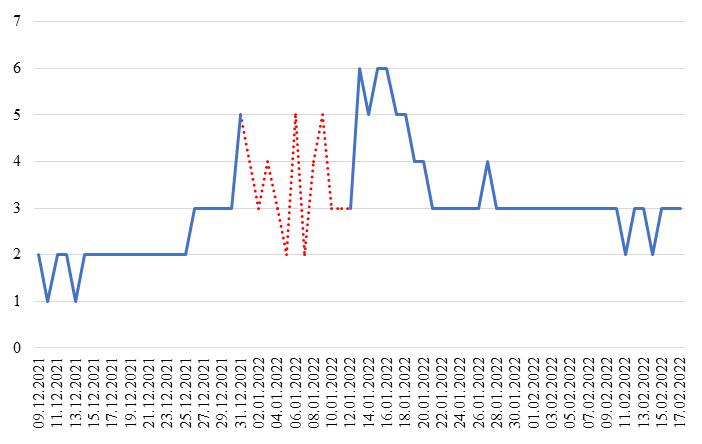
Fig. 2. Dynamics of the number of epileptic seizures
Note: The dotted line indicates the number of epileptic seizures per day while taking meropenem.
A 13‑year‑old girl was admitted to the pediatric hospital on October 4, 2022, for living‑related kidney transplantation. Admission diagnosis: chronic kidney disease stage V due to rapidly progressive glomerulonephritis, mixed form (nephrotic syndrome with hematuria, arterial hypertension). Programmed hemodialysis.
Complications of the main disease: occlusive thrombosis of the left brachiocephalic vein. Recanalized thrombus of the left subclavian vein. Secondary arterial hypertension. Heart failure stage 0. Secondary hyperparathyroidism. Nephrogenic anemia. Concomitant diseases: history of acute ischemic stroke in the middle cerebral artery (MCA) territories bilaterally. Lower mixed paraparesis. Structural epilepsy with generalized tonic‑clonic seizures. Periventricular leukoencephalopathy. Moderate dilation of the lateral and third ventricles. Arachnoid cyst in the region of the tentorial notch on the right. Carriage of thrombophilia genes:
Heterozygous GT polymorphism G>T Val34Leu of coagulation factor XIII.
Heterozygous GA polymorphism G455A of fibrinogen.
Heterozygous CT polymorphism 807 C>T Phe224Phe of integrin‑alpha.
Heterozygous carriage of folate cycle gene variants:
Heterozygous AC polymorphism 1298 A>C of methylenetetrahydrofolate reductase.
Heterozygous AG polymorphism 2756 A>G of methionine synthase reductase.
Chronic superficial gastritis, remission. Status post left nephroureterectomy.
History: ill since age 7 (July 2016), when she had acute pyelonephritis. In February 2017, a diagnosis of nephrotic syndrome was established. She experienced two ischemic strokes in the MCA territories bilaterally (May 2017, repeat stroke in June 2017). Seizures first occurred in early 2018. She received VPA 350 mg twice daily with monitoring of blood sodium valproate concentration, with good effect. In August 2022, epileptic seizures resumed. Pharmacomonitoring before a session of renal replacement therapy (RRT) showed blood sodium valproate level 45.39 μg/mL, after RRT session 48 μg/mL, on the day of missed RRT session before drug intake 36.14 μg/mL, after intake 80.46 μg/mL. Due to the planned kidney transplantation, the anticonvulsant therapy with sodium valproate was adjusted, and the dose was increased to 1500 mg/day (750 mg twice daily) from August 24, 2022.
On admission to the hospital, the child weighed 28.6 kg, height 133 cm, body mass index 16.17. Pharmacotherapy on admission: she was receiving VPA as extended‑release tablets at a dose of 750 mg twice daily (1500 mg/day), amlodipine 10 mg twice daily orally, losartan 25 mg once daily orally, esomeprazole 20 mg once daily orally, dalteparin sodium 1500 units once daily, valganciclovir 450 mg twice weekly orally (for prophylaxis of cytomegalovirus infection in an immunosuppressed patient after repeated plasmapheresis sessions), mycophenolic acid 180 mg three times daily orally, tacrolimus 1.5 mg twice daily orally, sulfamethoxazole + trimethoprim 480 mg once daily orally.
On day 3 of hospitalization (October 6, 2022), surgery was performed: living‑related kidney allotransplantation, nephroureterectomy. The postoperative period was complicated by bleeding, which was controlled with repeated blood transfusions.
On day 13 of hospitalization, the child developed a fever of up to 38 °C, accompanied by epileptic seizures in the form of episodes of motion arrest lasting up to 1–2 minutes, which resolved spontaneously. On day 14 of hospitalization, due to a urinary tract infection (E. coli 10⁵ CFU/mL isolated from urine culture for aerobic and facultatively anaerobic opportunistic microorganisms), meropenem at a dose of 1000 mg twice daily intravenously was prescribed according to the antibiogram (from October 17, 2022, to October 25, 2022). As shown in Fig. 3, following meropenem administration, VPA concentration decreased from 81.09 μg/mL (day 1 of meropenem infusion) to 12.49 μg/mL (day 3 of meropenem treatment).
On October 19, 2022, video‑EEG monitoring of daytime sleep showed no epileptic seizures or ictal EEG patterns.
Tacrolimus was used as maintenance immunosuppressive therapy after transplantation. Figure 4 shows the dynamics of blood tacrolimus concentration, which remained stable during concomitant use with meropenem and VPA.
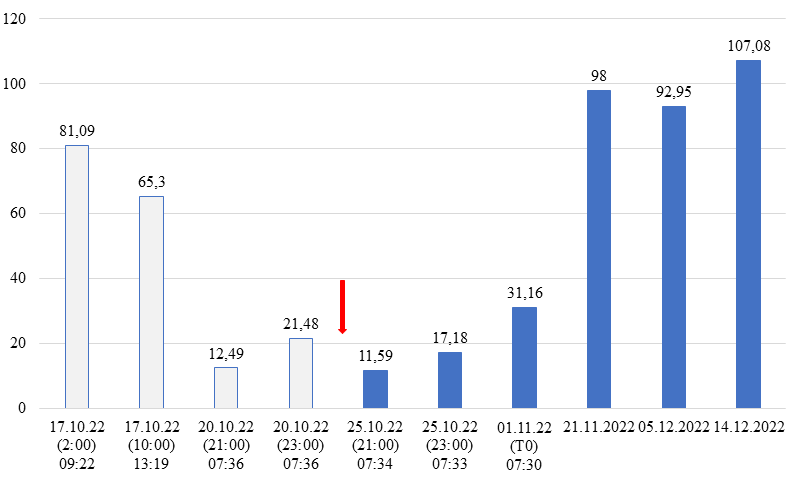
Fig. 3. Dynamics of valproic acid concentration in venous blood (in μg/ml)
Notes: Gray bars indicate valproic acid levels while taking meropenem; blue bars indicate valproic acid levels after discontinuing meropenem; the date of meropenem discontinuation, October 24, 2022, is marked with an arrow.
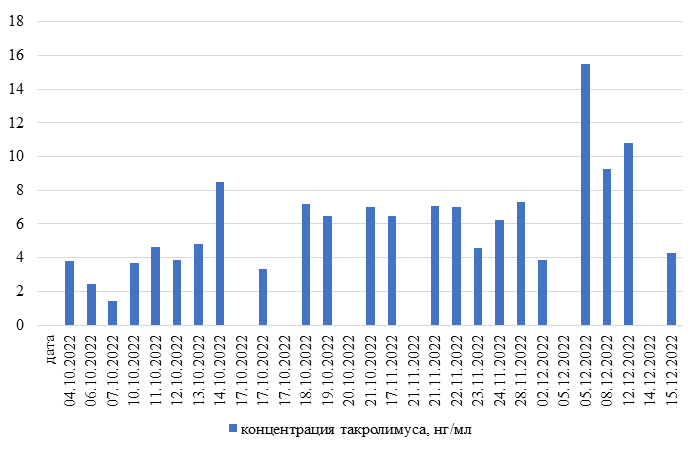
Fig. 4. Dynamics of tacrolimus concentration in the blood (in ng/ml)
In the two cases examined, concomitant use of VPA and meropenem was associated with a decrease in blood VPA concentration relative to baseline. In both cases, when VPA was combined with meropenem, the VPA concentration fell below the recommended target values, which was accompanied in the first case by an increase in the number of epileptic seizures per day and in the second case by the emergence of myoclonus. Discontinuation of meropenem in the first case, followed by adjustment of antiepileptic therapy (addition of phenazepam), led to gradual improvement of epilepsy symptoms over 9 days. In the second case, adjustment of antiepileptic therapy (addition of clonazepam) followed by discontinuation of meropenem was accompanied by both improvement of epilepsy symptoms and achievement of target blood VPA concentrations over the subsequent 4 weeks.
Thus, the presented cases demonstrate that in pediatric patients with epilepsy and concomitant bacterial infection requiring meropenem, who are also receiving valproic acid preparations, TDM reveals a decrease in serum VPA concentration. A decrease in blood VPA concentration below the recommended concentration range may lead to an increase in the number of seizures per day, necessitating either discontinuation of meropenem or adjustment of antiepileptic pharmacotherapy. When selecting an antibacterial agent for patients receiving VPA as antiepileptic therapy, the prescription of carbapenems that undergo pharmacokinetic interaction with VPA should be avoided. In cases where combined therapy is necessary, TDM must be performed for timely adjustment of epilepsy treatment.
Limitations of the presented reports include the number of laboratory determinations of blood VPA concentration in the first clinical case, which does not allow assessment of the time required to restore target blood VPA concentrations after discontinuation of meropenem. In both cases, the presence of an infectious process that could affect the course of epilepsy was a limitation.
1. Gu C, Zhang Y, Yuan F, et al. Effect of a Declined Plasma Concentration of Valproic Acid Induced by Meropenem on the Antiepileptic Efficacy of Valproic Acid. J Clin Lab Anal. 2024;38(8):e25025. doi:10.1002/jcla.25025
2. Posada LB, Olesen AE, Sørensen TH, Azuz S. Persistent low concentrations of antiepileptics in a critically ill paediatric patient: an example of multiple potential drug interactions. BMJ Case Rep. 2025;18(1):e261648. Published 2025 Jan 29. doi:10.1136/bcr-2024-261648
3. Miranda Herrero MC, Alcaraz Romero AJ, Escudero Vilaplana V, et al. Pharmacological interaction between valproic acid and carbapenem: what about levels in pediatrics?. Eur J Paediatr Neurol. 2015;19(2):155-161. doi:10.1016/j.ejpn.2014.12.010
4. Park MK, Lim KS, Kim TE, et al. Reduced valproic acid serum concentrations due to drug interactions with carbapenem antibiotics: overview of 6 cases. Ther Drug Monit. 2012;34(5):599-603. doi:10.1097/FTD.0b013e318260f7b3
5. González C, Villena R. Interacción entre meropenem y ácido valproico: A propósito de dos casos pediátricos [Pharmacological interaction between meropenem and valproic acid: a report of two cases]. Rev Chilena Infectol. 2012;29(3):353-355. doi:10.4067/S0716-10182012000300018.
6. De Turck BJ, Diltoer MW, Cornelis PJ, et al. Lowering of plasma valproic acid concentrations during concomitant therapy with meropenem and amikacin. J Antimicrob Chemother. 1998;42(4):563-564. doi:10.1093/jac/42.4.563
7. Spriet I, Goyens J, Meersseman W, Wilmer A, Willems L, Van Paesschen W. Interaction between valproate and meropenem: a retrospective study. Ann Pharmacother. 2007;41(7):1130-1136. doi:10.1345/aph.1K079
8. Yapici AK, Fidanci MK, Kilic S, et al. Stevens-Johnson Syndrome triggered by a combination of clobazam, lamotrigine and valproic acid in a 7-year-old child. Ann Burns Fire Disasters. 2014 Sep 30;27(3):121-5.
9. Mitra-Ghosh T, Callisto SP, Lamba JK, et al. PharmGKB summary: lamotrigine pathway, pharmacokinetics and pharmacodynamics. Pharmacogenet Genomics. 2020 Jun;30(4):81-90. doi: 10.1097/FPC.0000000000000397.
Maria N. Kostyleva — Cand. Sci. (Med.), Associate Professor of the Department of Clinical Pharmacology named after Yu. B. BelousovHead of the Department of Clinical Pharmacology at Russian Children’s Clinical Hospital — a Branch
Moscow
The authors state that there is no conflict of interest
Alina B. Strok — Cand. Sci. (Med.), Associate Professor
of the Department of General and Clinical Pharmacology
at the Medical Institute; clinical pharmacologist
Moscow
The authors state that there is no conflict of interest
Natalia V. Teplova — Dr. Sci. (Med.), professor, Head of the
Department of Clinical Pharmacology named after Yu. B. Belousov
Moscow
The authors state that there is no conflict of interest
Dinara A. Umutkuzina — Assistant Professor of the Depart
ment of Clinical Pharmacology named after Yu. B. Belousov
Moscow
The authors state that there is no conflict of interest
Kostyleva M.N., Strok A.B., Teplova N.V., Umutkuzina D.A. Description of a clinical case series on the concomitant use of valproic acid and meropenem in children. Kachestvennaya Klinicheskaya Praktika = Good Clinical Practice. 2026;(1):23-31. (In Russ.) https://doi.org/10.37489/2588-0519-GCP-0012. EDN: IBFBTD
НАШИ КНИГИ




Другие журналы
"Издательства ОКИ"


ПАРТНЕРЫ

 Email this article (Login required)
Email the author (Login required)
Email this article (Login required)
Email the author (Login required) 121357, Moscow, st. Vatutina, 4, building 2, apt. 22
LLC Publishing House OKI
Tel. +7 (926) 568-17-35
e-mail: clinvest@mail.ru


